

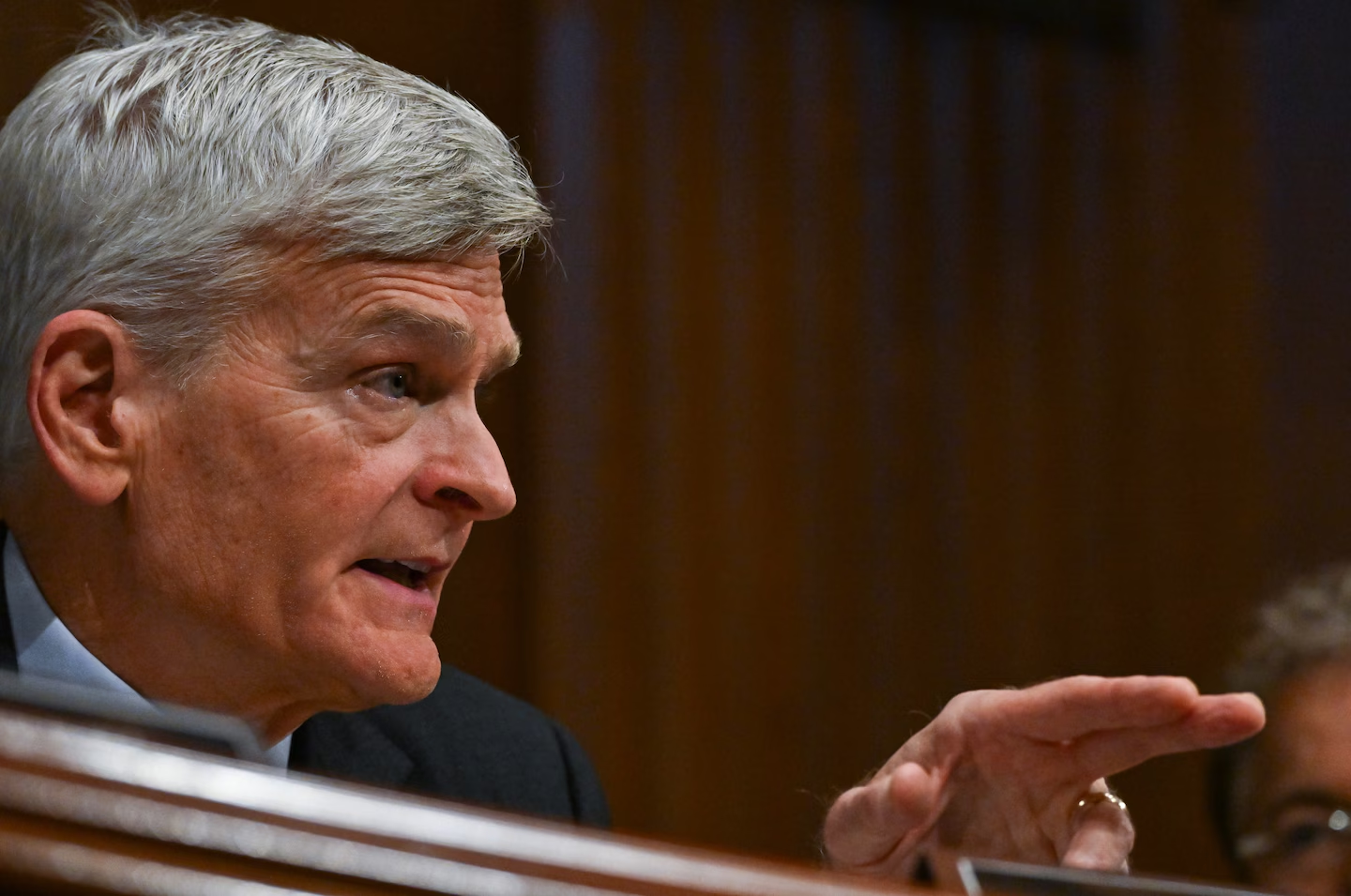
Republican lawmakers are intensifying scrutiny of the American Medical Association (AMA) and physician payment policies, with Senator Bill Cassidy (R-Louisiana) leading calls for transparency and accountability. The move reflects ongoing debates over healthcare costs, physician reimbursement, and the role of professional organizations in shaping policy.
Sen. Cassidy has formally requested detailed information from the AMA regarding its influence on physician payment structures, including Medicare and private insurance reimbursement rates. He is particularly interested in understanding how the organization’s lobbying efforts and policy recommendations affect physicians’ compensation and patient care access.
“This is about ensuring transparency and fairness in the healthcare system,” Cassidy said in a statement. “Physicians work hard to care for patients, and the public deserves to know how payment policies are developed and whether they truly serve doctors and patients alike.”
The Republican push comes amid broader concerns about rising healthcare costs, physician shortages, and the financial pressures faced by medical professionals. Some lawmakers argue that the AMA, as one of the most influential medical associations in the U.S., has significant sway over reimbursement decisions and policy advocacy, which can impact the economics of medical practice nationwide.
AMA representatives have defended their policies, emphasizing that their advocacy aims to balance fair physician compensation with sustainable healthcare spending. They noted ongoing efforts to engage with policymakers on improving patient outcomes while addressing systemic challenges in the healthcare system.
Critics, however, argue that physician payment structures can sometimes favor large healthcare organizations or certain specialties, creating inequities and limiting patient access to care. They see increased congressional oversight as a way to ensure that physician payments are transparent, equitable, and aligned with public health goals.
The GOP’s focus on the AMA and physician reimbursements signals a potential escalation in legislative scrutiny, with hearings and requests for documentation likely in the coming weeks. Observers suggest that the outcome could influence future healthcare legislation, including reforms to Medicare, Medicaid, and private insurance payment models.
As the debate unfolds, physicians, patients, and healthcare organizations are closely monitoring developments, aware that changes in payment policy could have significant ripple effects across the medical industry.















Leave a Reply