

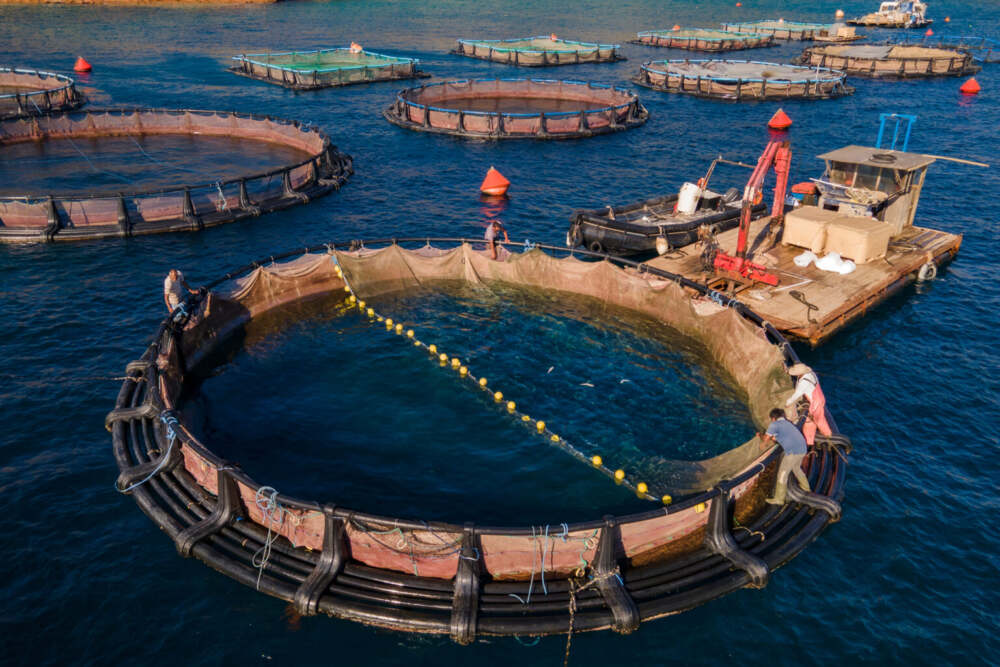
In Greece, mounting opposition to EU-supported aquaculture projects has sparked debates over the environmental and economic impacts of fish farming. Local communities, environmental groups, and scientists are raising alarms about potential damage to marine ecosystems, water quality, and traditional fishing livelihoods.
The Rise of EU-Backed Fish Farms
Over the past decade, the European Union has promoted fish farming as a means to boost local economies, ensure food security, and reduce pressure on wild fish stocks. Greece, with its extensive coastline and rich marine biodiversity, has become a hub for aquaculture, particularly for species such as sea bass, sea bream, and salmon.
EU funding has enabled the construction of large-scale fish farms, modern facilities, and export-oriented production. However, critics argue that these projects often prioritize profit over sustainability, threatening the delicate balance of coastal ecosystems.
Environmental Concerns
Opponents of the fish farms cite several key environmental risks:
- Water Pollution: Excess feed, fish waste, and chemicals can contaminate surrounding waters, harming local flora and fauna.
- Biodiversity Loss: Intensive fish farming may lead to habitat disruption and reduced populations of native species.
- Disease and Parasites: High-density fish farms increase the risk of disease outbreaks, which can spread to wild populations.
- Marine Eutrophication: Nutrient runoff from farms may trigger algal blooms, creating oxygen-depleted zones that damage marine life.
Scientists warn that without strict regulation and oversight, these risks could escalate, undermining the ecological health of Greece’s iconic seas.
Local Opposition and Protests
Coastal communities, particularly those reliant on traditional fishing, have voiced strong opposition to the expansion of industrial fish farms. Protests, petitions, and public forums are demanding greater transparency, environmental assessments, and a reevaluation of EU subsidies for aquaculture projects.
Many locals argue that the economic benefits of fish farming often bypass small-scale fishermen, while environmental costs directly affect livelihoods, tourism, and the natural heritage of the region.
Government and EU Response
Greek authorities, in collaboration with the EU, have defended fish farming as a sustainable source of employment and food security. They emphasize that projects are subject to environmental impact assessments and monitoring.
However, environmental groups call for stricter enforcement, independent audits, and investment in alternative aquaculture methods that minimize ecological disruption, such as offshore or integrated multi-trophic systems.
The Path Forward
The debate over fish farming in Greece underscores a broader challenge facing Europe: balancing economic growth, food production, and environmental stewardship. Achieving sustainability in aquaculture will require collaboration among policymakers, local communities, scientists, and industry stakeholders.
The outcome of this dispute could serve as a model for other countries grappling with similar tensions between economic development and environmental protection.













Leave a Reply