

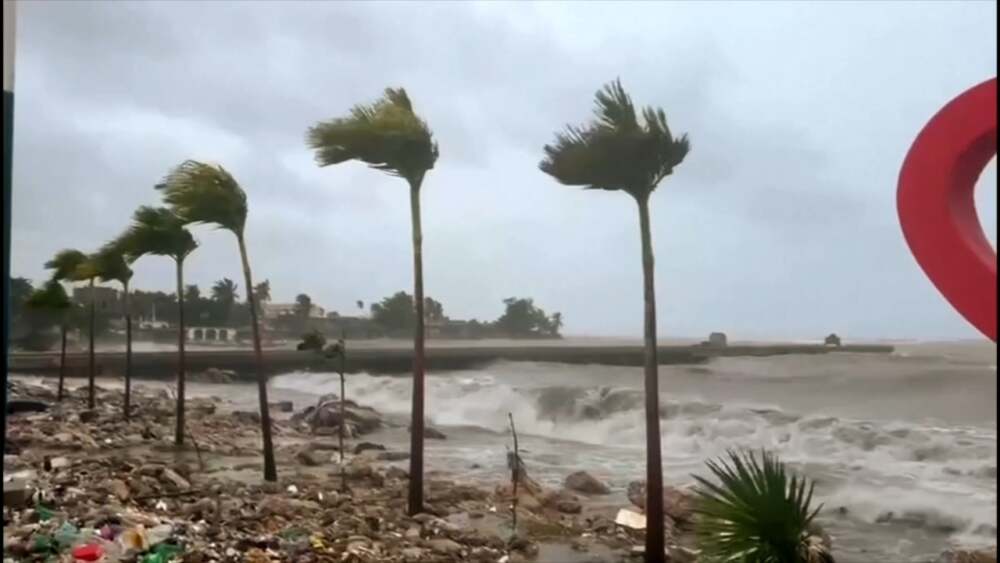
The Caribbean is once again counting the cost of climate devastation after Hurricane Melissa tore through the region, leaving catastrophic destruction across multiple islands. The Category 5 storm, one of the most powerful hurricanes ever recorded in the Caribbean, has become a stark symbol of how climate change is reshaping weather patterns and threatening the survival of vulnerable island nations.
The Birth of a Monster Storm
Hurricane Melissa began as a tropical disturbance off the coast of South America but intensified with alarming speed as it entered the Caribbean Sea. Fueled by record-high sea surface temperatures, the storm strengthened rapidly, achieving sustained winds of 185 miles per hour. Meteorologists described the process as “explosive intensification,” a phenomenon increasingly linked to climate change and warmer ocean waters.
Unlike many fast-moving hurricanes, Melissa slowed significantly as it made landfall, lingering over Jamaica and Cuba for hours. This prolonged exposure compounded the destruction, unleashing torrential rain, violent winds, and deadly storm surges that swallowed entire communities. Jamaica’s southwestern region bore the brunt of the impact, with towns like Black River and Savanna-la-Mar nearly flattened by winds and floodwaters.
Humanitarian Catastrophe
The human toll of Hurricane Melissa is staggering. Dozens have been confirmed dead, with hundreds more injured or missing. Thousands of homes were reduced to rubble, and essential infrastructure — power grids, hospitals, and water systems — has been severely damaged. Entire neighborhoods remain cut off due to washed-out bridges and landslides, leaving residents desperate for food, clean water, and medical aid.
The economic impact is equally devastating. Agriculture, a lifeline for rural communities, has been decimated. Fields of sugarcane, bananas, and coffee were destroyed overnight, threatening food security and livelihoods. Tourism, the cornerstone of the Caribbean economy, faces an uncertain future as major resorts and ports sustained heavy damage.
A Climate Crisis Exposed
Scientists warn that Hurricane Melissa is not an isolated event but part of a troubling pattern of extreme weather intensified by global warming. The Caribbean Sea’s deep waters, unusually warm this year, acted as a constant energy source for the storm. Normally, hurricanes weaken when they churn up cooler water from below, but this time the heat extended far beneath the surface — allowing Melissa to maintain its power for days.
Experts say this event underscores the urgent need for global climate action. Small island nations, which contribute less than 1% of global greenhouse gas emissions, are suffering the most from the climate crisis. The storm has reignited calls for wealthier, industrialized countries to increase funding for climate adaptation and disaster relief in vulnerable regions.
Rebuilding Amid Despair
Reconstruction efforts are already underway, but the path forward is steep. Governments across the region face the monumental challenge of rebuilding safer, more resilient communities while grappling with limited resources and mounting debt. Aid organizations are working around the clock to restore power, clear roads, and deliver emergency supplies. However, many rural communities remain isolated and inaccessible.
Mental health professionals are also warning of a looming crisis. Survivors, especially children, are suffering from severe trauma after witnessing homes washed away and loved ones lost. For many, recovery will mean not only rebuilding physical structures but also restoring hope and emotional stability.
A Call for Global Responsibility
Hurricane Melissa has become a defining moment for the Caribbean — a reminder that climate change is no longer a distant threat but a present and escalating reality. The destruction left behind serves as a powerful plea for international solidarity, scientific innovation, and urgent emissions reduction.
As Caribbean leaders rally for climate justice, they emphasize one central message: the time for symbolic gestures has passed. Without meaningful global cooperation and investment in climate resilience, future storms could bring even greater suffering.
Melissa’s devastation is a testament to the planet’s changing climate — and a warning of what lies ahead if humanity continues to ignore the urgent need for collective action.















Leave a Reply