

Seattle–Tacoma International Airport (Sea‑Tac) is grappling with a developing jet fuel shortage after a leak forced the shutdown of a critical pipeline that supplies aviation fuel to the region. The disruption has prompted emergency measures from state officials and a series of contingency plans by airlines to ensure flights continue operating safely. This situation underscores the vulnerabilities in airport fuel logistics and the broader challenges of maintaining continuous supply during infrastructure failures.
The Pipeline Shutdown
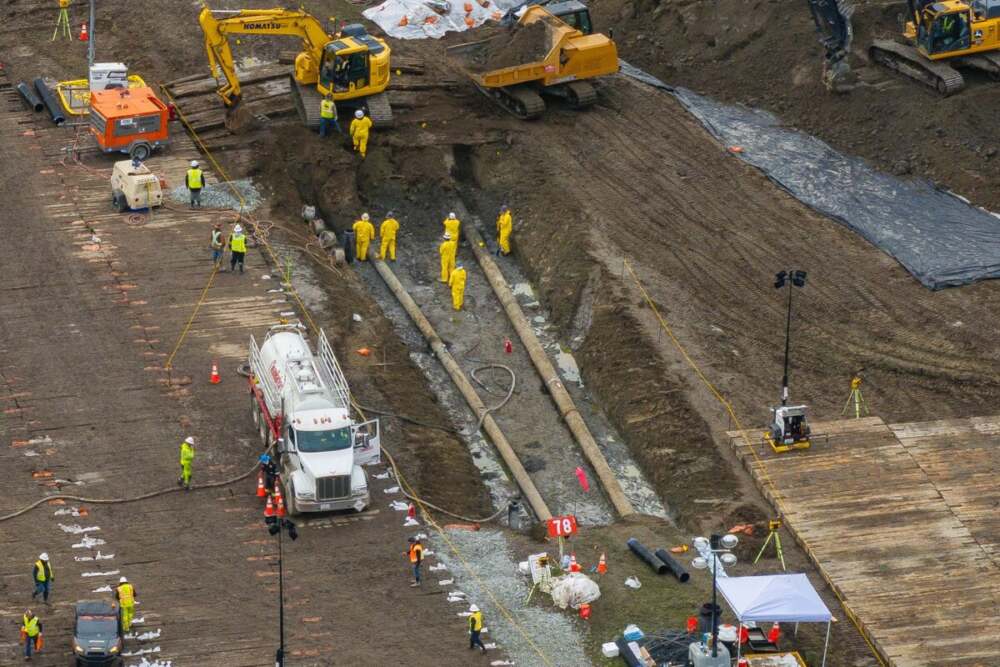
The issue originated with the Olympic Pipeline, a 400-mile network delivering refined fuels from refineries in western Washington to key distribution hubs, including Sea‑Tac. A leak detected along the line forced an immediate halt in operations. The shutdown has constrained the supply of jet fuel to the airport, putting pressure on reserves and raising concerns about operational continuity, particularly during peak travel periods.
State officials moved quickly, declaring a temporary emergency to expedite fuel deliveries by road. Under the emergency declaration, tanker truck operators are permitted to exceed normal driving-hour limits to transport fuel directly to the airport. While trucking cannot fully replace the pipeline’s high-volume capacity, the measure is intended to reduce the immediate risk of a supply shortage.
Airline Contingency Measures
Airlines operating out of Sea‑Tac are taking multiple steps to mitigate the impact of the fuel shortage:
- Fuel Preloading: Alaska Airlines, the airport’s largest carrier, is increasing fuel loads on inbound flights. By carrying extra fuel, aircraft can bypass the need for immediate refueling upon arrival, ensuring they maintain operational flexibility.
- Technical Stops: Some long-haul carriers are introducing technical stops at alternate airports to refuel before reaching Sea‑Tac. This prevents flights from running low on fuel while ensuring safety standards are maintained.
- Trucked Fuel Deliveries: Airlines are coordinating with trucking companies to maximize fuel deliveries from other terminals, although logistical limitations mean the pipeline’s supply cannot be completely substituted.
These measures aim to maintain flight schedules and prevent large-scale disruptions, but they are only short-term solutions until the pipeline is repaired.
Implications for Operations
Airport authorities warn that prolonged disruption could lead to delays, cancellations, or altered routing. While Sea‑Tac maintains some reserve fuel, it is only sufficient for a limited period under normal flight operations. Extended pipeline outages could create cascading effects, especially for long-haul international flights that require higher fuel volumes.
This incident highlights the airport’s reliance on a single critical fuel supply source. Unlike other commodities that can be stockpiled more easily, jet fuel requires precise logistics, safety handling, and large-scale storage capacity. Trucking operations are constrained by both road access and volume limits, making the airport particularly sensitive to pipeline outages.
Repair Efforts and Timeline
The pipeline operator has mobilized repair crews to inspect the leak and begin remediation. Initial work focuses on excavation and visual inspection, followed by repairs to restore the section to full operation. While exact timelines for restoration remain uncertain, officials are monitoring progress closely.
In parallel, state authorities continue coordinating emergency trucking operations and collaborating with airlines to ensure that temporary supply measures are optimized. This multi-pronged approach aims to prevent immediate disruption to passengers and minimize operational risk.
Broader Lessons
The crisis at Sea‑Tac underscores several important considerations for airport operations and infrastructure planning:
- Supply Chain Vulnerability: Reliance on a single high-capacity pipeline creates systemic risk for airports. Redundant supply channels or expanded storage capacity could mitigate future disruptions.
- Emergency Coordination: The rapid state response demonstrates the importance of pre-existing emergency protocols and inter-agency coordination in maintaining continuity of critical services.
- Airline Flexibility: Carriers that can adjust fuel strategies, reroute flights, or preload fuel on inbound flights are better positioned to manage infrastructure failures.
- Infrastructure Investment: The situation may prompt long-term investments in fuel storage and alternative delivery systems, reducing dependence on single points of failure.
Advice for Travelers
Passengers flying through Sea‑Tac are advised to monitor flight status regularly. Airlines may implement technical refueling stops or minor schedule adjustments that could affect departure or arrival times. While major cancellations are not expected at this stage, travelers should remain alert to updates from their carriers.
Conclusion
The jet fuel shortage at Seattle–Tacoma International Airport illustrates the complexity and fragility of modern airport logistics. With a critical pipeline offline, airlines and state officials are racing against time to maintain fuel supplies and ensure operational continuity. The incident highlights both the immediate operational challenges and the broader strategic lessons about supply chain resilience, emergency planning, and infrastructure investment in the aviation sector.
As repair efforts continue and emergency measures remain in effect, the aviation community is closely monitoring developments, hoping that the pipeline can be restored swiftly and that the airport can maintain smooth operations during this critical period.

















Leave a Reply