

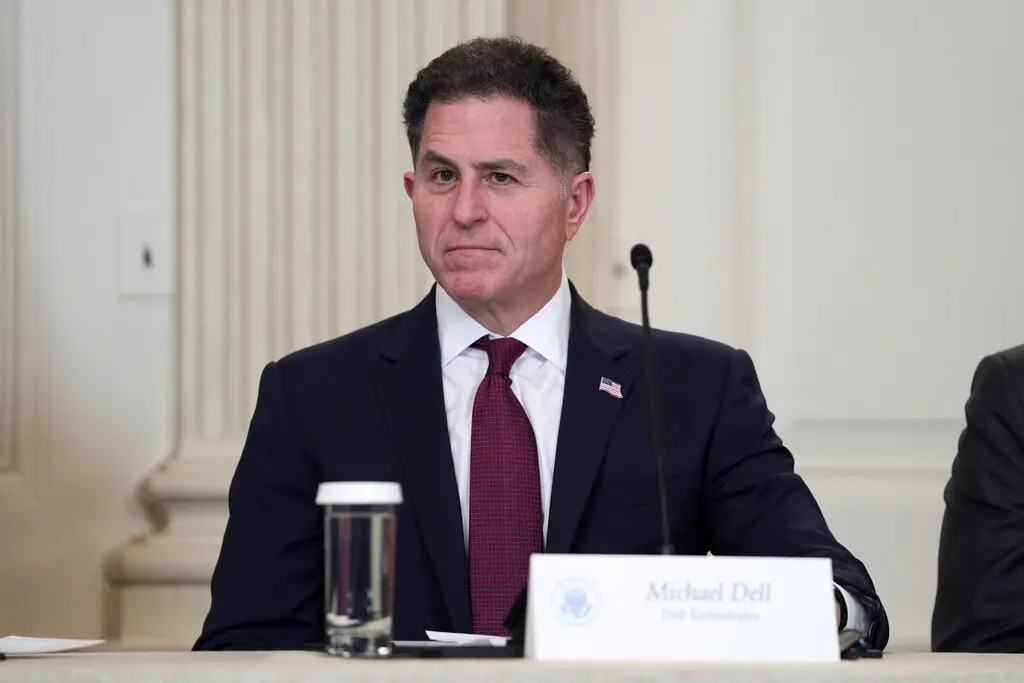
In one of the largest philanthropic gifts in recent U.S. history, Michael and Susan Dell have pledged $6.25 billion to help fund the new “Trump Accounts” program, an initiative designed to give millions of American children their first financial foothold in life. The massive donation aims to expand access to early savings accounts and ensure that more families benefit from the program, regardless of income or background.
A Landmark Investment in America’s Youth
The Trump Accounts initiative deposits seed money into long-term savings accounts for eligible children, with the goal of promoting financial security, investment literacy, and generational wealth-building. While the federal government provides initial funding for children born after 2025, the Dell donation extends support to millions of older children who would not have qualified for the government deposit.
The $6.25 billion gift ensures that about 25 million children under age 10 will receive a $250 seed deposit to start their own investment accounts. For many families, this represents their first opportunity to establish a long-term savings vehicle for their children.
A Vision for Opportunity and Prosperity
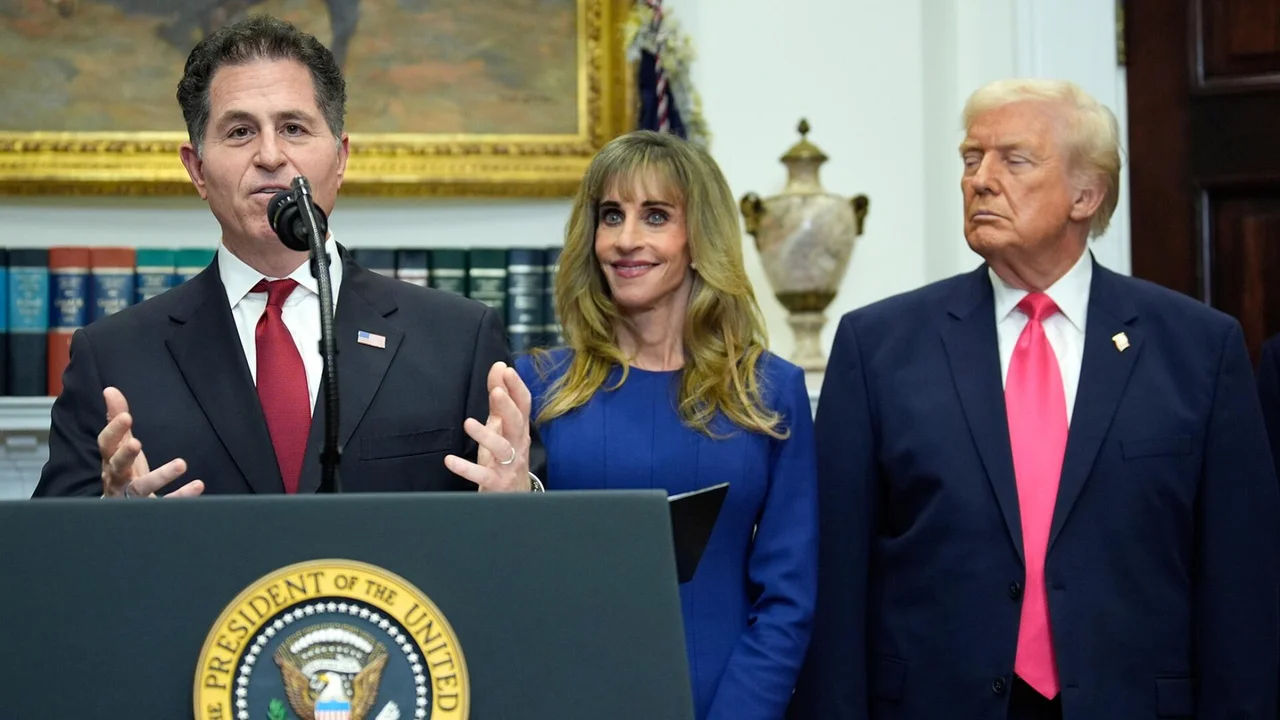
Michael Dell said the donation reflects a vision of expanding opportunity nationwide, emphasizing that early investments can have a lifelong impact. Susan Dell added that supporting children now lays the groundwork for a stronger, more equitable future.
The couple’s foundation has long focused on education and economic mobility, but this contribution stands out due to its scale and direct impact on individual families.
How the Accounts Work
Trump Accounts are long-term savings accounts invested in diversified funds, designed to grow over time through compound interest. Money added to these accounts cannot be withdrawn until the child reaches adulthood, at which point the funds can be used for education, housing, business ventures, or other major life expenses.
Families can contribute additional funds each year, creating a structure similar to retirement or education savings plans. Although the seed deposit alone will not generate substantial wealth without additional contributions, it provides a critical starting point that millions of children previously lacked.
Widespread Impact — and Debate
Supporters say the Dell donation could redefine childhood financial security in the United States, offering millions of children a chance to build assets early in life. They believe that the initiative may narrow wealth gaps that have persisted across generations.
Critics, however, argue that long-term benefits depend on families continuing to contribute, which may not be possible for many low-income households. They also warn that market conditions could affect the growth of these accounts, creating uncertainty about how much children will ultimately receive.
Despite these questions, many experts agree that the scale of the donation and the structure of the program mark a historic turning point in child-focused philanthropy.
A New Model for Public-Private Collaboration
The Dells’ massive pledge demonstrates how private philanthropy and government programs can work together to drive large-scale social change. By filling gaps left in the federal program, their funding broadens access and allows millions more children to participate in long-term wealth building.
As the program prepares to roll out nationwide, families, nonprofits, and financial experts are watching closely. Whether Trump Accounts become a transformative tool for financial mobility or a symbolic gesture will depend on how families, policymakers, and institutions build on this foundation.
For now, the message from the Dell family is clear: investing early in children isn’t just charity — it’s a long-term investment in America’s future.
















Leave a Reply