

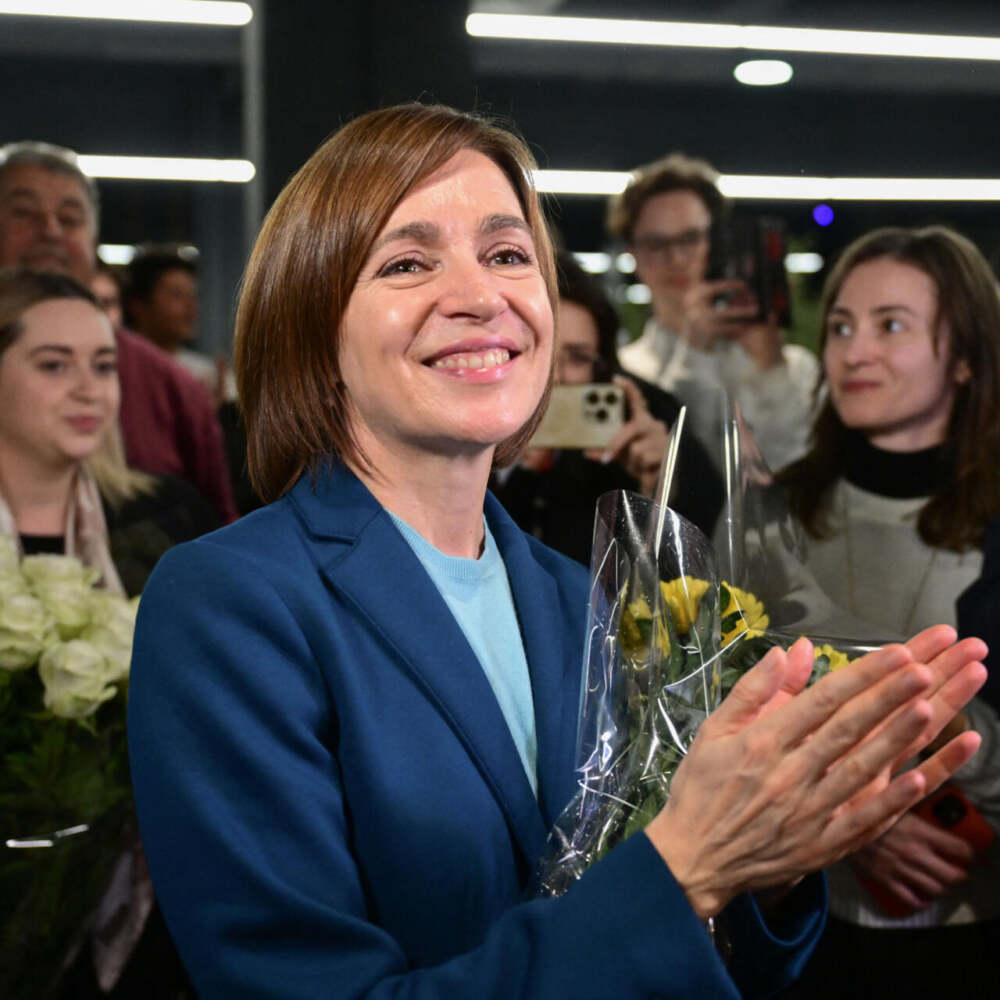
Moldova’s pro-European Party of Action and Solidarity (PAS) scored a decisive victory in the country’s parliamentary elections, securing a majority that will allow it to govern without coalition partners. The result marks a significant shift toward deeper integration with the European Union and a setback for Moscow-aligned political forces.
Clear Majority in Parliament
PAS won just over half of the national vote, giving it around 55 of the 101 seats in parliament. The pro-Russian Patriotic Electoral Bloc trailed far behind with roughly 24 percent, while several smaller parties picked up the remaining seats. This outcome ensures that PAS will have full control of parliament, avoiding the instability of past coalition governments.
Europe vs. Russia at the Ballot Box
Throughout the campaign, voters were faced with a stark choice: closer ties with the EU or renewed alignment with Russia. PAS leaders framed the election as a vote for peace and stability, while warning that Russia represented the risk of war and interference.
Moldovan authorities accused Moscow of waging a “hybrid war” in the months leading up to the election, pointing to cyberattacks, disinformation campaigns, and attempts to bribe voters. Russia dismissed the allegations as unfounded. Adding to tensions, two pro-Russian parties were barred from the race shortly before the vote, accused of illegal financing and corruption.
The Kremlin also criticized the government for limiting the number of polling stations for Moldovans living in Russia, claiming that hundreds of thousands were unable to cast their ballots.
Turnout and Reactions
Voter turnout was about 52 percent, with the diaspora playing a crucial role. More than a quarter-million Moldovans abroad cast ballots, many strongly favoring the pro-EU camp.
European leaders quickly welcomed the results as a victory for democracy and a clear sign that Moldova is committed to its European future. By contrast, pro-Russian opposition leaders rejected the outcome and called for protests, claiming — without evidence — that the vote was manipulated.
Looking Ahead
With a solid majority, PAS is now in position to push forward reforms, strengthen democratic institutions, and accelerate Moldova’s EU membership ambitions. The government has pledged to secure a formal accession agreement by 2028, alongside efforts to raise living standards, combat corruption, and modernize the economy.
Despite the victory, challenges remain. Moldova continues to face economic strains, political pressure from Moscow, and the unresolved question of Transnistria, a breakaway region where Russian troops are still stationed.
For now, however, the election results give PAS a rare opportunity to reshape Moldova’s future — firmly toward Europe and away from Russian influence.













Leave a Reply