

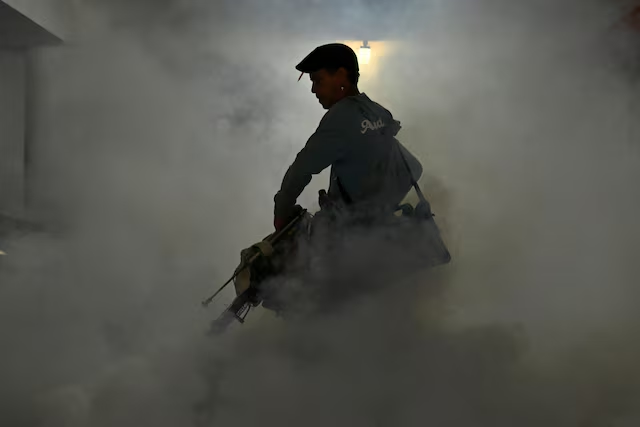
Cuba is grappling with a deadly outbreak of mosquito-borne viruses that has claimed 33 lives, including 21 children, health officials confirmed this week. The surge in infections highlights ongoing public health challenges in tropical regions where mosquitoes carry diseases such as dengue, chikungunya, and Zika.
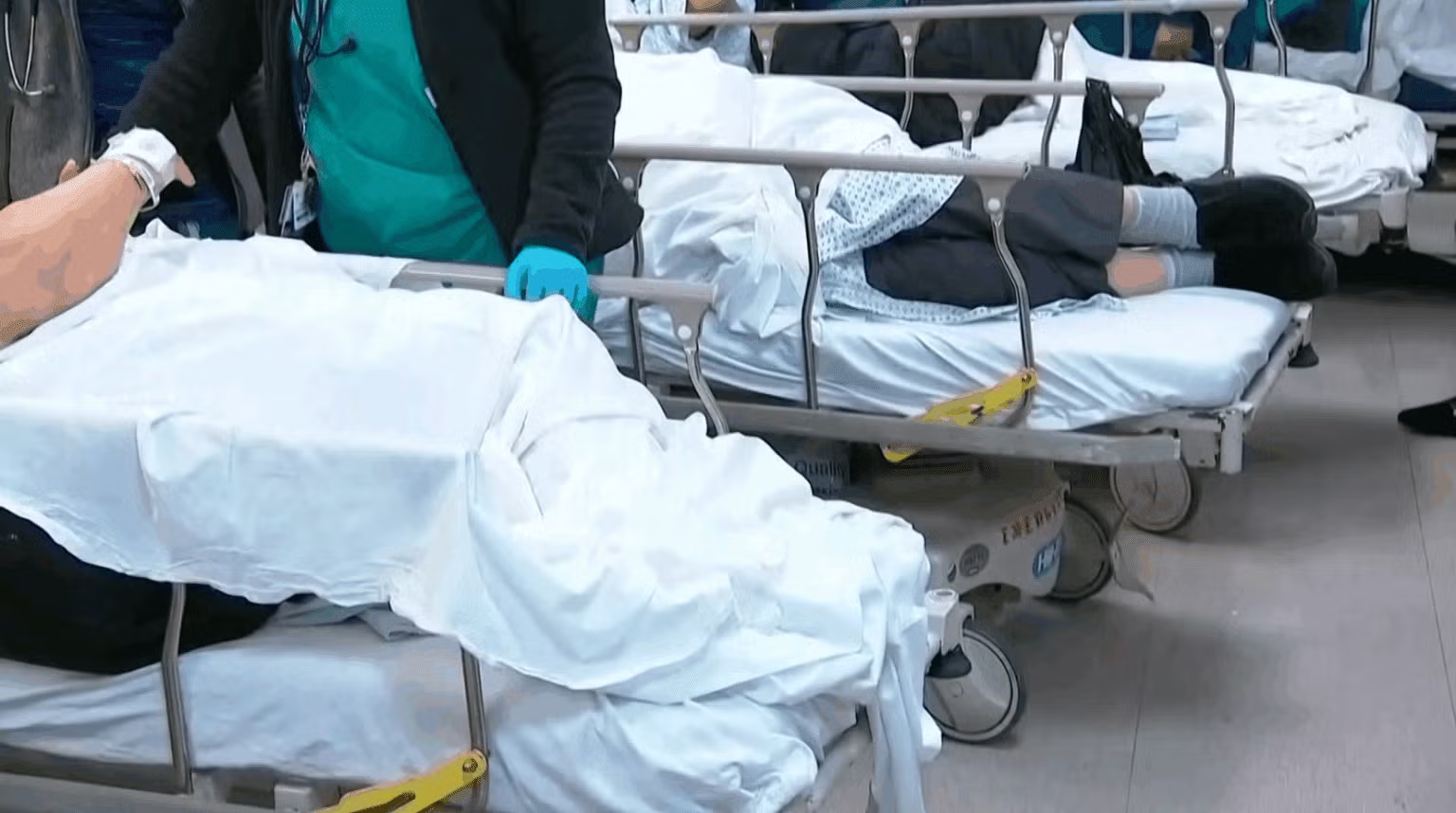
Authorities reported that hospitals across affected provinces are overwhelmed with patients experiencing high fevers, severe joint pain, rashes, and other symptoms consistent with mosquito-transmitted illnesses. Children, who are particularly vulnerable to complications, have accounted for the majority of fatalities, prompting urgent calls for enhanced protective measures.
Public health experts attribute the outbreak to a combination of heavy rainfall, stagnant water, and inadequate mosquito control measures, which have created ideal breeding conditions. Officials are deploying emergency vector-control programs, including widespread fumigation, elimination of standing water, and community awareness campaigns aimed at reducing mosquito populations and minimizing transmission.
Dr. Lucia Hernández, an infectious disease specialist in Havana, warned: “This outbreak underscores the deadly potential of mosquito-borne viruses. Families must remain vigilant, especially when it comes to protecting young children with screens, repellents, and avoiding areas with high mosquito activity.”
Cuba’s healthcare system is responding with increased testing and isolation of severe cases to prevent further fatalities. International health organizations are monitoring the situation closely, offering guidance on outbreak management and preventive strategies.
The recent fatalities serve as a sobering reminder of the continued threat posed by mosquito-borne viruses in tropical regions. Experts stress the importance of sustained prevention efforts, including vaccination where available, community cooperation, and ongoing public education to reduce the impact of future outbreaks.
















Leave a Reply