


Copenhagen, Denmark — A dramatic incident unfolded Monday night as unidentified drones shut down air traffic at Copenhagen Airport, triggering concerns from national leaders about the vulnerability of critical infrastructure amid rising regional tensions.
What Happened
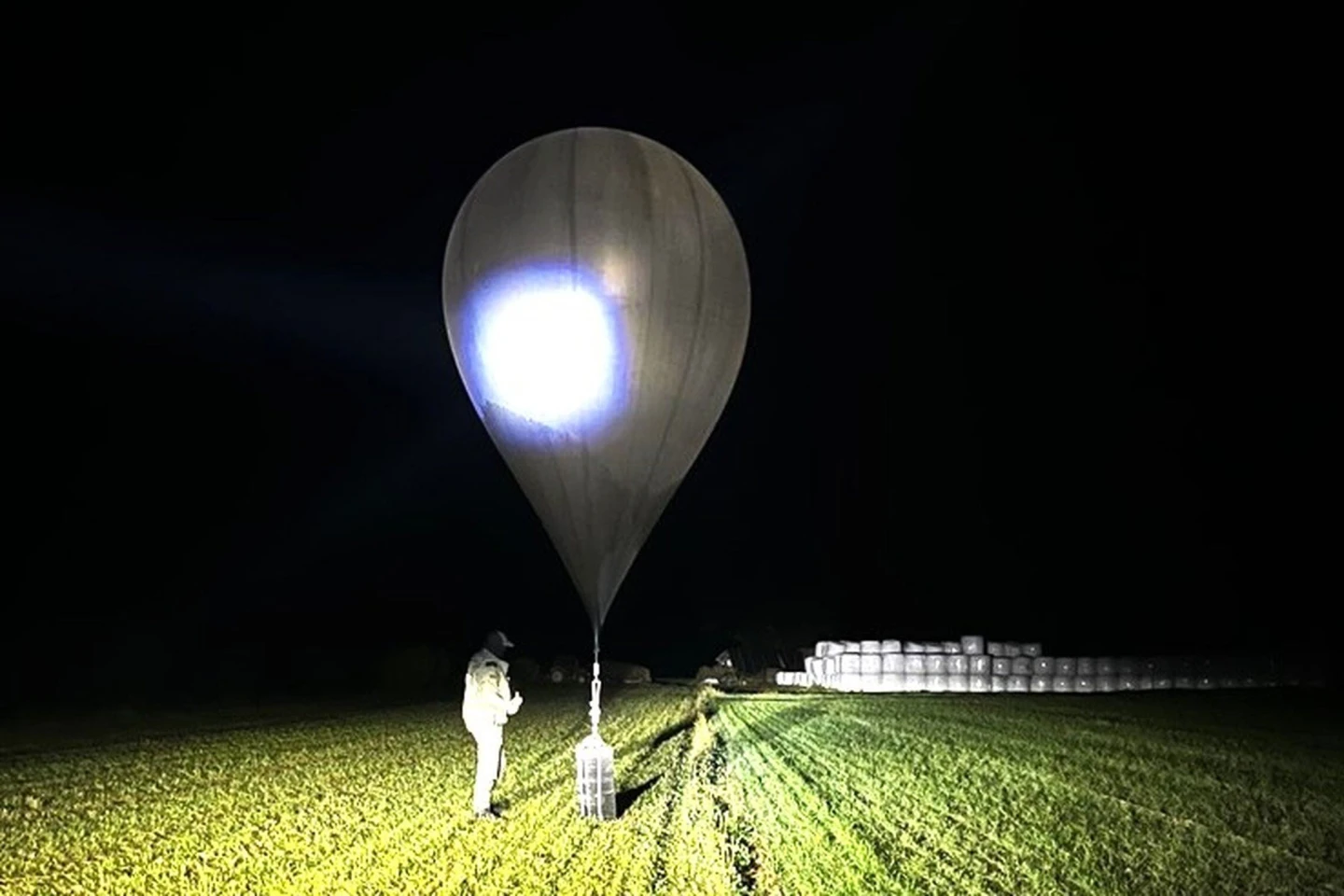
Two to three large drones were spotted in the airspace above Scandinavia’s busiest airport. Authorities described the operator as “capable,” noting the drones appeared to maneuver deliberately — switching lights on and off and executing controlled flight patterns.
The airspace was closed for nearly four hours. During that time, several flights were diverted, while many others faced cancellations and long delays, stranding thousands of passengers. Police chose not to shoot down the drones due to the risks of debris near crowded terminals, aircraft, and fuel storage facilities.
Who Might Be Behind It?
Prime Minister Mette Frederiksen labeled the episode “the most serious attack on Danish critical infrastructure to date.” While no group has claimed responsibility, officials have not ruled out foreign involvement. Speculation about hostile actors has grown, though no evidence has yet confirmed a particular source.
The event follows a series of suspicious drone sightings across Europe, raising fears of hybrid tactics being used to destabilize air traffic and test defenses. NATO officials are said to be closely monitoring the situation.
Regional Impacts & Aftermath
On the same evening, Oslo Airport in Norway also reported drone activity, forcing temporary restrictions on operations. While investigations are still ongoing, security analysts warn the incidents may be linked, suggesting a coordinated attempt to disrupt northern European airspace.
Even after Copenhagen Airport reopened, the disruption carried into the following day as airlines struggled to reorganize schedules. Travelers faced long queues, rebookings, and widespread frustration.
What It Means Going Forward
The incident has intensified debate within the European Union about protecting airports and other critical infrastructure from airborne threats. Experts have renewed calls for advanced drone detection systems, electronic countermeasures, and even proposals for a “drone wall” across sensitive borders and facilities.
Authorities are now analyzing the drones’ origin, flight range, and whether they were controlled locally or possibly launched from maritime platforms. Security officials say the episode is a stark reminder of how relatively inexpensive technology can be used to paralyze vital infrastructure.
The Copenhagen drone shutdown highlights a growing challenge for governments worldwide: adapting airspace security to new threats that are unconventional, hard to detect, and increasingly sophisticated.















Leave a Reply