

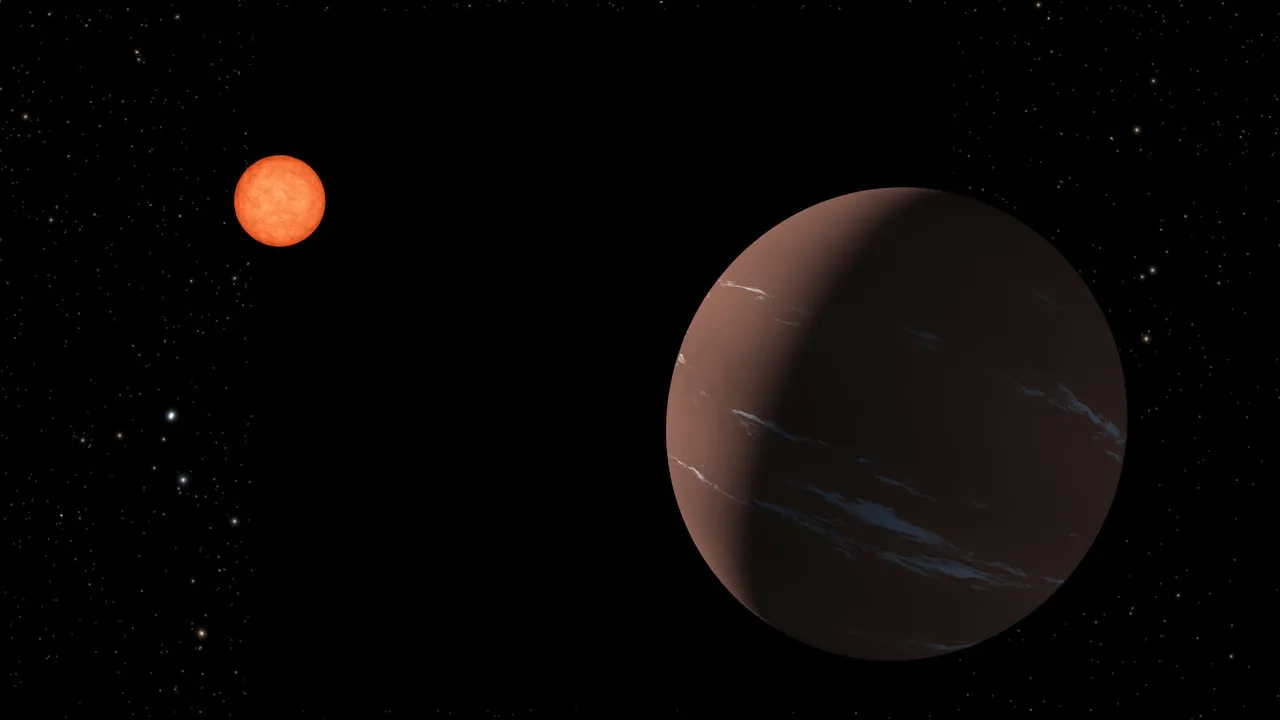
NASA has officially confirmed the discovery of 6,000 exoplanets—planets orbiting stars outside our solar system—marking a historic milestone in humanity’s exploration of the cosmos. This achievement highlights rapid advancements in space observation and our growing understanding of planetary systems beyond Earth.
Rapid Growth in Discoveries
The total number of confirmed exoplanets has grown dramatically in recent years. Just a few years ago, scientists had documented roughly 5,000 exoplanets. The acceleration in discoveries is due to increasingly sensitive space telescopes and advanced data analysis methods, allowing astronomers to detect even small, distant worlds.
NASA Missions Leading the Way
Key NASA missions have played a pivotal role in this milestone:
- Kepler Space Telescope: Conducted extensive surveys of distant stars, detecting thousands of candidate planets.
- TESS (Transiting Exoplanet Survey Satellite): Continues to monitor large swaths of the sky, identifying exoplanets in nearby star systems and in a wide variety of orbital configurations.
These missions have expanded our knowledge not only of planet numbers but also of planetary diversity across the galaxy.
A Universe of Diversity
The 6,000 confirmed exoplanets exhibit remarkable variety:
- Gas giants much larger than Jupiter, with extreme temperatures.
- Rocky planets in their stars’ habitable zones, where liquid water might exist.
- Exotic orbital patterns, including planets in tight multi-star systems or in highly elliptical orbits.
This diversity gives scientists crucial insights into how planetary systems form and evolve, as well as the potential for life elsewhere in the universe.
Looking Forward
Astronomers expect the number of known exoplanets to continue climbing as new missions, including next-generation space telescopes and ground-based observatories, come online. Each discovery adds to a growing cosmic map, bringing us closer to understanding the prevalence of Earth-like planets and the possibilities for life beyond our solar system.
Final Thought
Reaching 6,000 confirmed exoplanets represents more than a statistic—it signifies humanity entering a new era of exploration. Each world discovered is a step toward answering some of the most profound questions: Are we alone, and what other kinds of worlds exist in our galaxy?














Leave a Reply