

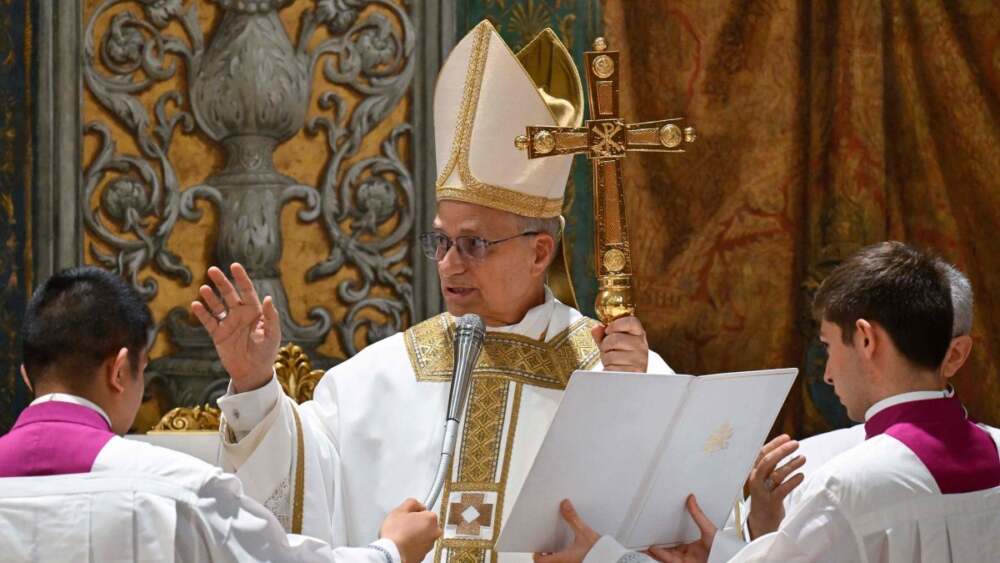
Shortly after stepping onto the world stage as the new pontiff, Pope Leo XIV has begun making statements and issuing directives that are stirring unease among more traditionalist and conservative elements in the Catholic Church. What was intended as carefully balanced outreach is being read by some as a reboot of Francis-style activism—with potential implications for the Church’s internal alignment and global image.
Who Is Leo XIV? A Pontiff with Dual Heritage
Before examining the controversy, it helps to understand the man behind the papal name. Leo XIV, born Robert Prevost, holds both U.S. and Peruvian citizenship and has spent years ministering in Latin America. Known for his unostentatious pastoral style, he earned trust as someone deeply rooted in social ministry and small-scale service.
His election carried symbolic weight: he is the first American-born pontiff, but his years in Peru and his identification with Latin American pastoral concerns give his papacy a transcontinental character. In many ways, observers see in him a bridge figure—someone who could carry forward Pope Francis’s priorities while also engaging with more conservative expectations.
From the very start, his gestures—such as returning to traditional papal vestments and invoking the name “Leo”—signaled both continuity and modest repositioning. But now, his more outspoken moves are testing that delicate balance.
The Exhortation That Turned Heads
Leo’s first major public teaching, in the form of an apostolic exhortation titled “Dilexi Te” (“I Have Loved You”), has become a focal point. In it, he takes up themes familiar from Francis’s pontificate—such as preferential care for the poor, migration, and ecological responsibility—but does so with new energy and sharper moral urgency.
He denounces what he calls “ideologies that defend the absolute autonomy of the marketplace”, warning that unchecked capitalism often sidelines the vulnerable. He accuses those who portray themselves as “pro-life” of inconsistency if they endorse harsh migration policies or capital punishment. He also criticizes superficial political or ecclesial alignments that ignore deeper moral and spiritual commitments.
These statements depart from the cautious tone often expected of a newly elected pope and have caused consternation among conservative Catholics who expected more restraint or a shift toward doctrinal clarity before social activism.
Conservative Pushback: “Focus on Doctrine, Not Politics”
Reactions from conservative Catholic voices have been immediate. Some are accusing Leo of overreaching into political territory—especially in the United States—when they believe a pope’s role should focus more on spiritual and theological issues than temporal policy debates. One frequent complaint is that he is applying a stringent litmus test to who can rightly call themselves “pro-life,” expanding it beyond abortion to immigration or justice issues.
Traditionalist commentators accuse Leo of undermining unity by promoting contested issues prematurely. Echoes of past criticisms against Pope Francis—especially relating to perceived liberal drift—are resurfacing in his papacy, but now focused on Leo’s own posture.
Some within conservative ranks are urging restraint: let the pope do his job within the Church, they say—avoid political entanglement, emphasize moral and doctrinal formation, and unify rather than polarize.
Strategic Lines and Potential Flash Points
Leo’s early weeks suggest areas where his papacy may face sustained tension:
- Migration & Border Policy: Leo has already asserted that the Church cannot remain silent on the human dignity of migrants, even in nations where immigration is politically fraught.
- Economic Justice: His strong rhetoric against market excess and inequality revives liberation theology themes that more conservative elements fear were intentionally moderated under prior pontificates.
- Moral Integrity & Pro-Life Labels: By questioning the sincerity of pro-life identity when it excludes other life issues, Leo is expanding the philosophical scope of the debate.
- Climate & Creation Care: In line with Francis, he has made ecological concern central, including symbolic acts (such as blessing ice from a melting glacier), which critics deride as theatrical or politically charged.
- Institutional Reform: Though he has not moved swiftly to overturn Francis’s financial reforms, he has already trimmed the Vatican bank’s exclusive investment authority—an early sign he may recalibrate institutional balances.
Can He Walk the Tightrope?
Leo’s challenge is formidable: he must satisfy multiple constituencies—those who supported Francis’s progressive momentum, those seeking doctrinal clarity and stability, and those wary of any overt political alignment. His strength lies in his global experience, linguistic fluency, and pastoral sensibility, which grant him credibility across ideological lines.
However, early boldness carries risk. If conservative bishops and theologians feel alienated, they may resist reforms or challenge his authority. Some moderate Catholics may applaud his moral clarity; others may worry that an activist papacy will further polarize the faithful.
History suggests that a pope’s first year sets tone more than substance; Leo’s first moves are being scrutinized as harbingers of the ecclesial trajectory to come.
Why This Matters Beyond the Church
Pope Leo XIV’s evolving posture will not just affect Catholics. The moral voice of the papacy often echoes into international debates—on migration, climate, inequality, human rights, and social justice. When a pope speaks with conviction on these issues, secular audiences listen, and political actors respond.
In a world increasingly fractured by polarization, Leo is declaring early that the Church will engage—not as a partisan voice but as a moral actor. How that engagement plays out will help shape not only internal church dynamics, but the broader intersection of faith and public life













Leave a Reply