

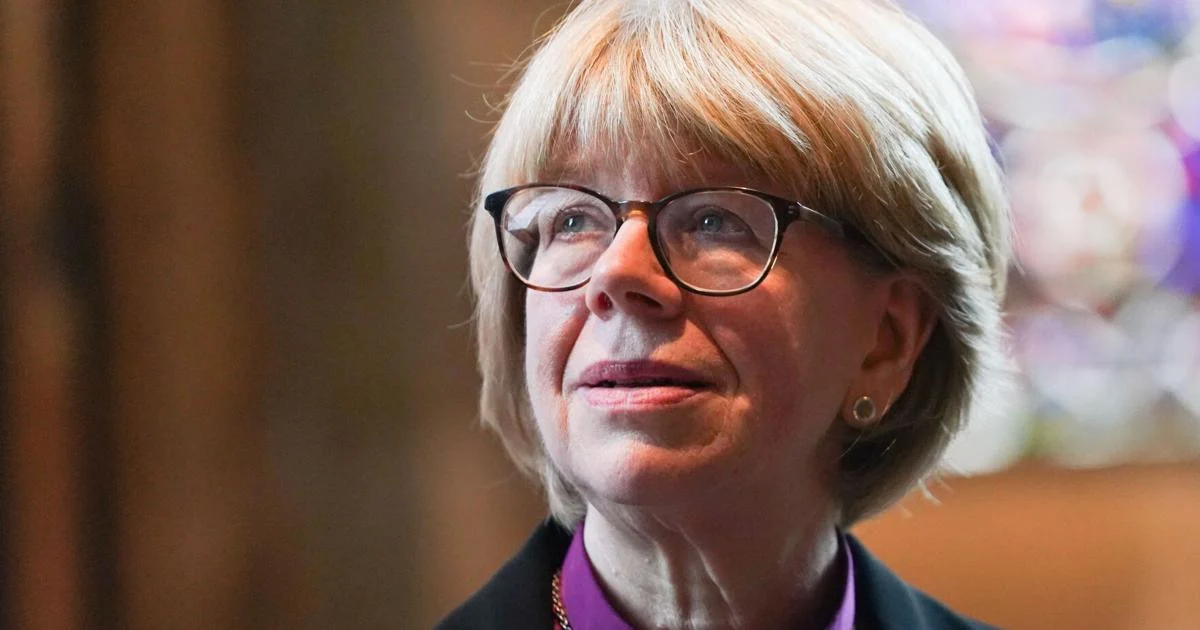
In a momentous decision for the Church of England and the global Anglican Communion, Sarah Mullally has been appointed the 106th Archbishop of Canterbury — becoming the first woman ever to assume the role. The announcement, made today, marks a profound milestone in centuries of ecclesiastical tradition.
Mullally, 63, currently serves as Bishop of London. Her selection comes at a moment of deep upheaval within the church — prompted by scandal, declining attendance, and widening theological divisions over issues such as gender, sexuality, and church governance.
A Trailblazing Career: From Nursing to High Prelate
Before entering the clergy, Mullally built a distinguished career in health care and public service. She served as Chief Nursing Officer for England, becoming one of the youngest ever to hold that position. Her medical and leadership background has often been cited as giving her a strong grounding in both pastoral care and institutional management.
She was ordained in the early 2000s and steadily rose through ecclesiastical ranks, becoming a suffragan bishop before being appointed Bishop of London in 2018 — the first woman to hold that post. In that role, she navigated complex and competing forces within the church, including doctrinal tensions and the push for reform.
Breaking the Glass Ceiling
Mullally’s appointment breaks a barrier that has stood for more than 1,400 years since the founding of the Archbishopric of Canterbury. All of her 105 predecessors have been men, making her elevation a powerful symbol of evolving attitudes toward gender and leadership within faith communities.
Yet symbolism will only carry her so far. Her actual authority — both within England and across the worldwide Anglican Communion — depends on navigating entrenched resistance, institutional inertia, and deep divisions over theology and culture.
Challenges Looming on the Horizon
Her path ahead is formidable. Some of the most pressing challenges Mullally inherits include:
1. Global Anglican Divide
The Anglican Communion is deeply fractured over issues like same-sex marriage, women’s ordination, and biblical interpretation. Some provinces in Africa and parts of Asia still reject female leadership or liberal theology. Mullally’s appointment is already drawing criticism from conservative wings who see it as a departure from tradition.
2. Trust, Transparency, and Scandal
The resignation of her predecessor, Justin Welby, was influenced by criticism over how abuse allegations were handled. Restoring trust — especially with survivors of sexual abuse, whose voices have long demanded accountability — will likely be among her greatest tests.
3. Institutional Decline and Relevance
The Church of England has faced declining attendance, shrinking resources, and internal bureaucratic complexity. Mullally must find a way to rejuvenate the church’s public role while stabilizing its institutional structures.
4. Theological Balancing Act
Mullally is known to support more inclusive practices — including prayers for same-sex couples — while also affirming the traditional doctrine of marriage. That “middle path” may delight moderates but anger both conservative and progressive extremes. She will be scrutinized for every decision regarding how doctrine, pastoral provision, and church discipline intersect.
5. Leadership Style and Cohesion
Holding together a church with divergent theological camps — evangelical, Anglo-Catholic, liberal — will demand exceptional leadership. Mullally must demonstrate that she can both speak conviction and maintain unity in diversity.
Early Commitments and Tone
In her first address as archbishop-designate, Mullally acknowledged the complexity of her new role and pledged a vision grounded in unity, listening, and care. She recognized the deep wounds within the Church — over abuse, over power, over conflict — and spoke of a desire to confront those issues honestly.
She also emphasized that while her historical appointment carries great symbolic weight, it must correspond to action: “This is not about personal ‘firsts,’” she signaled. “It is about enabling the Church to serve, to heal, and to step boldly into the future it is called to.”
Her humility and pastoral instincts — honed through years in nursing and public health — suggest a leader who hopes to bridge divides. But warnings from critics suggest that kindness alone will not suffice to resolve the many structural and doctrinal crises she inherits.
Reactions: Praise and Pushback
Her appointment was greeted with applause from progressive sectors within the church and among many who advocate for gender equality in religious institutions. For them, Mullally’s elevation is overdue and inspiring — a reflection that long-standing barriers can be broken.
Yet conservative factions, especially in parts of the Anglican Communion that reject female ordination, have voiced stern objections. Some question the theological legitimacy of her leadership, and some have hinted they may no longer recognize her authority as spiritual head.
In response, Mullally faces the unenviable task of being a unifier in a deeply divided communion — both revered and resisted from the start.
What Happens Next
Her appointment is not yet fully in effect. Before she officially assumes office, the following steps remain:
- Formal confirmation by the College of Canons (expected later this year)
- Legal ratification of the election
- Installation and enthronement services, likely held in the early months of 2026
Meanwhile, the leadership vacuum in Canterbury is being closely watched by both clergy and laity around the world, eager to see how the Church of England — and by extension Anglicanism — will reposition itself under a woman at its helm.
A Turning Moment
The elevation of Sarah Mullally as the first female Archbishop of Canterbury is more than a milestone — it may become a turning point. It challenges centuries of tradition, but also opens a new chapter for a church grappling with change. Whether Mullally leads a resurgence or presides over further fragmentation hinges on her ability not just to occupy the chair of Canterbury, but to transform what it means to lead in a fractured, modern world.
Her era begins with hope, tension, and tremendous expectations — and the eyes of both church and world will be watching.














Leave a Reply