

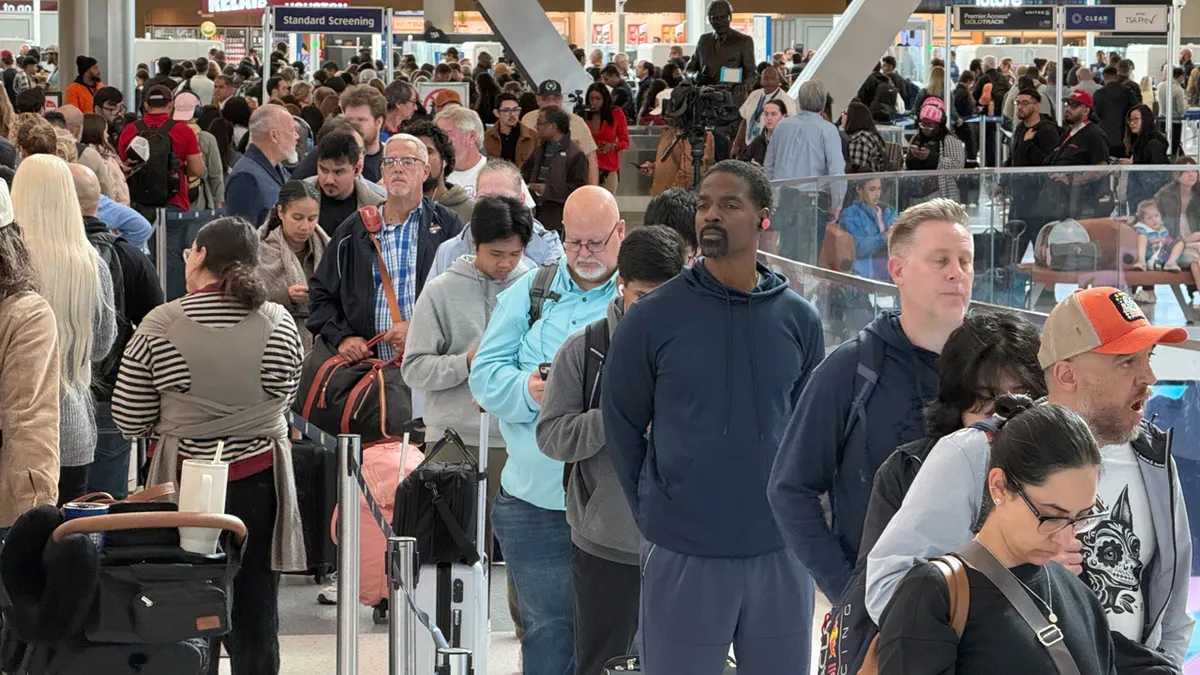
The ongoing U.S. government shutdown has begun to send shockwaves through the aviation industry, with major airlines scrambling to adjust schedules, cancel flights, and reassure passengers as federal staffing shortages take a toll on air traffic control operations nationwide.
Flight Reductions Across Major Airports
Airlines have been directed to cut their scheduled flights by up to 10 percent at the country’s busiest airports due to a shortage of air traffic controllers. The Federal Aviation Administration (FAA) announced that the move was necessary to maintain safety standards as thousands of federal employees remain furloughed or are working without pay.
The reductions are being phased in gradually, with initial cuts of around 4 percent expanding to 10 percent over the next several days. Major hubs including New York, Chicago, Los Angeles, Dallas, and Washington D.C. are among those most affected.
Airlines Respond to the Crisis
Airlines such as Delta, United, and American have already begun canceling flights preemptively to avoid mass disruptions later. Many carriers are prioritizing long-haul and international flights while temporarily reducing domestic and regional services.
Passengers affected by cancellations are being offered refunds or the option to rebook on alternative flights. Most airlines have waived change fees and are encouraging travelers to use mobile apps and websites to stay updated on flight status.
Impact on Passengers
For travelers, the situation has created confusion and long delays at airports. The FAA and airline officials have advised passengers to double-check their itineraries before heading to the airport, arrive early for check-ins, and avoid checking luggage whenever possible to prevent being separated from their belongings.
The timing of the shutdown has also raised concern ahead of the Thanksgiving travel season—one of the busiest periods for domestic air travel. Travel analysts warn that if the shutdown continues, the disruptions could extend well into the holiday season, affecting millions of passengers.
Safety and Staffing Concerns
The FAA’s decision to cut flight volumes is primarily driven by safety. Many air traffic controllers have been working extended hours without pay, leading to fatigue and reduced staffing levels at key control centers. Industry experts say that even a small drop in controller availability can cause significant slowdowns, as flight spacing and routing procedures must be adjusted to maintain safe distances.
Economic and Industry Impact
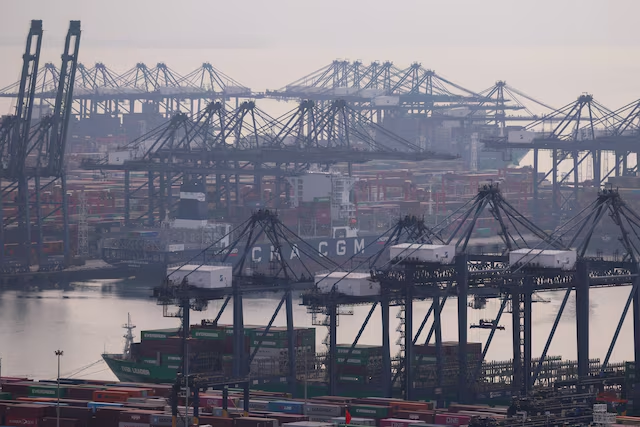
The economic consequences are mounting quickly. Airlines are reporting revenue losses, and airports are seeing reduced traffic and delays in cargo operations. Tourism and business travel sectors are bracing for a downturn if the shutdown continues for several more weeks.
Economists have warned that prolonged travel disruptions could ripple across other industries, particularly hospitality, logistics, and retail, as fewer travelers reach their destinations on time.
What Lies Ahead
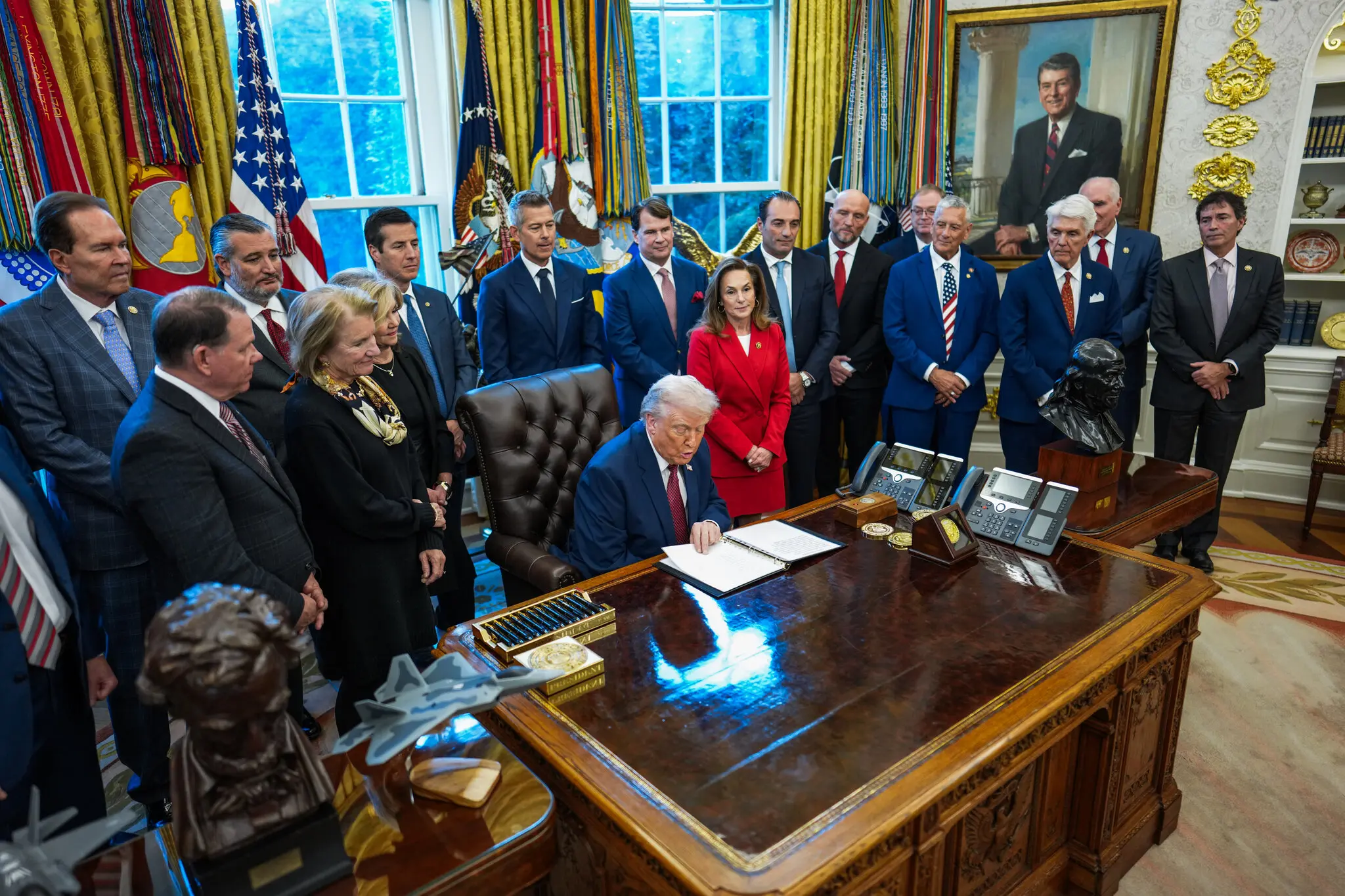
Government officials have not yet reached an agreement to end the shutdown, and negotiations remain stalled. If no resolution is found soon, additional reductions in airspace capacity could be implemented, and certain regional airports may face temporary closures.
For now, passengers are urged to stay informed, keep flexible travel plans, and prepare for unexpected cancellations or long waits. While the aviation system is still functioning, experts caution that “the worst disruptions may be yet to come” if the political deadlock continues.
















Leave a Reply