

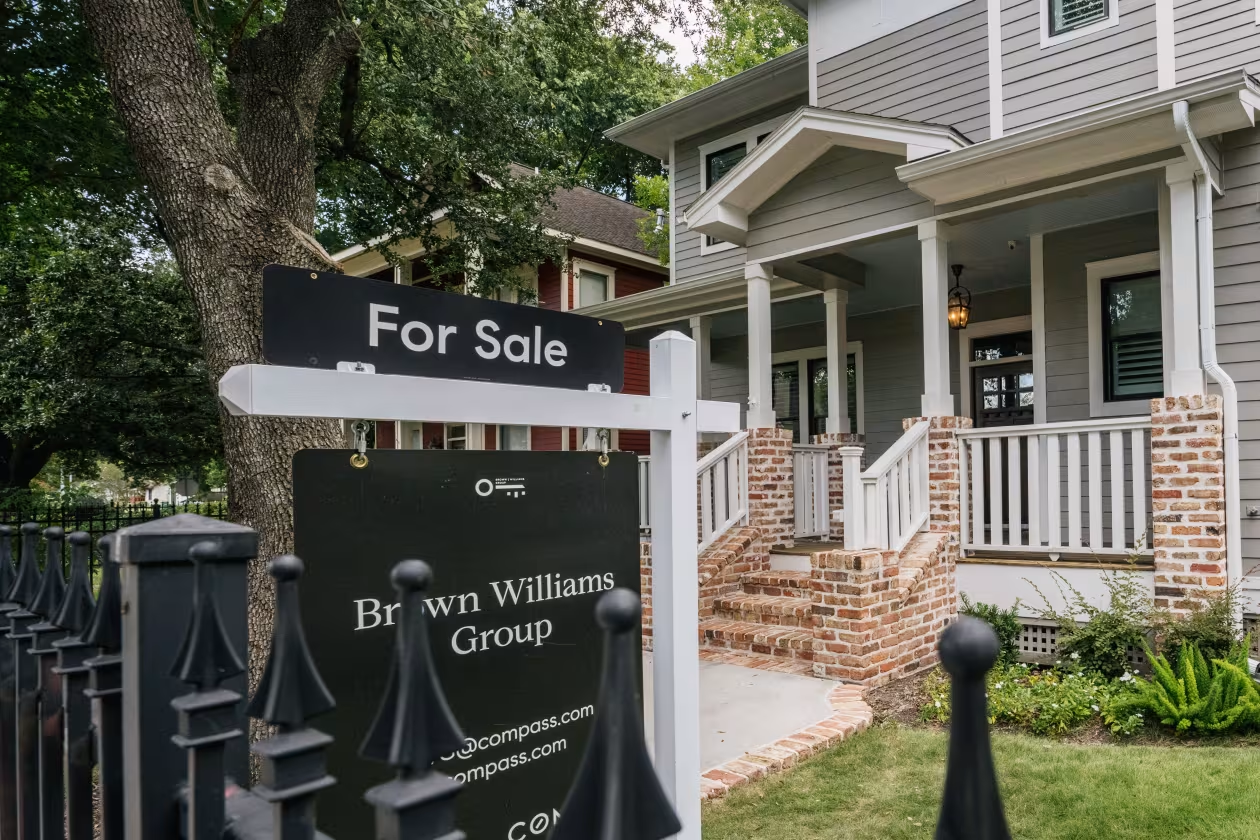
The U.S. housing market showed a modest rebound in October, according to data from the national real‑estate association, with sales of existing homes rising for the month. Yet the improvement should not be mistaken for a full recovery — deep affordability problems, regional imbalances and limited inventory continue to restrain the market.
Key Figures and Market Snapshot
- Existing‑home sales increased by approximately 1.2% in October compared with September, reaching a seasonally adjusted annual pace of about 4.10 million units.
- On a year‑over‑year basis, sales rose roughly 1.7%, reflecting a small gain against the weak base from the previous year.
- Inventory of unsold homes stood at about 1.52 million units, which translated to a supply of roughly 4.4 months — down slightly from September, but still below the historical “balanced market” benchmark of five‑to‑six months.
- The national median existing‑home price reached near $415,200, up about 2.1% from a year earlier.
- Regional variation: The Midwest led the gains, the South posted a small increase, the Northeast held flat, and the West saw a decline in sales.
What’s Driving the Uptick?
Several factors likely contributed to the uptick in October home sales:
- Mortgage rate relief: Although rates remain elevated compared to pre‑pandemic levels, there has been some easing in recent months, offering prospective buyers a bit more breathing space.
- Seasonal dynamics: October often marks the end of the fall home‑buying season, and some buyers may have moved forward in expectation of rising year‑end prices or in response to economic signals.
- Pent‑up demand: With home‑buying stalled by high rates and limited supply in previous months, October’s improvement may reflect buyers advancing their timing to lock in purchases.
Why the Recovery Still Feels Fragile
Despite the positive headline numbers, the housing market still faces serious headwinds:
- Affordability remains strained: With the median price above $400,000 and mortgage rates still elevated, many first‑time buyers and moderate‑income households remain priced out.
- Inventory still limited: While the number of homes for sale rose somewhat compared to a year earlier, the current level is still low compared to historical norms. Fewer available homes mean less room for buyers to find choices.
- Regional imbalance: The performance differs significantly by region. The West continues to struggle with high prices and declining sales, while more affordable regions such as the Midwest show stronger activity. This means national numbers mask wide variability.
- Buyer caution: Anecdotal reports suggest buyers remain cautious, negotiating more aggressively, expecting better deals, and often waiting for more favourable conditions rather than rushing into purchasing.
- Economic uncertainty: With worries about jobs, inflation and interest‑rate policy lingering, many potential buyers are taking a “wait and see” approach instead of committing to a large purchase.
Implications for the Market, Buyers and Sellers
- For buyers: The small rebound may offer additional homes to choose from and perhaps slightly better negotiating power. But buyers should still be realistic about cost — high prices and interest rates mean monthly payments remain substantial.
- For sellers: While demand appears modestly stronger, sellers may feel increased pressure to price competitively and accept longer time on market. Homes in slower regions or those priced above local market norms may take longer to sell.
- For the broader economy: Housing remains a key component of consumer wealth and spending. Modest improvement in sales is a positive for related industries (moving, finishing, appliances), but the fact that the market is far from full strength means it will not be a major growth engine at this stage.
- For policymakers: The limited improvement may ease some of the burden on housing‑policy advocates, but the underlying structural challenges (supply shortages, affordability, regional imbalances) point to the need for longer‑term solutions rather than short‑term stimulus.
What to Watch Going Forward
- Mortgage‑rate movements: Further drops in interest rates could unlock more buyer demand, while even modest increases could chill activity again.
- Supply trends: New listings, inventory levels and the months‑supply metric will help indicate whether more homes are entering the market and easing buyer constraints.
- First‑time buyers: With this segment still under‑represented in sales, improvements in affordability or incentives could shift market dynamics.
- Regional divergence: Tracking how different regions perform will reveal whether the rebound is broad‑based or concentrated in more affordable areas.
- Macro risks: Job market strength (or weakness), inflation and broader economic growth will influence buyers’ confidence and capacity to purchase.
Conclusion: A Tentative Step Forward, but Not a Breakout
October’s existing‑home sales report offers a cautiously optimistic note: the market is showing some signs of life after a prolonged period of sluggish performance. But this is not the rapid rebound many sectors might hope for. The improvement is modest, and significant structural headwinds — tight supply, affordability constraints, regional disparities and economic uncertainty — remain firmly in place.
For now, the housing market appears to be settling into a phase of slow, selective recovery rather than a broad surge. Buyers and sellers alike will need to temper expectations, understand their local market realities, and plan accordingly.
The coming months will be telling: if rates continue to ease and supply improves, the 2025–26 housing cycle may shift into stronger growth. If not, the current uptick may simply represent a pause in the larger story of a housing market that is still working through its post‑pandemic adjustments.


















Leave a Reply