

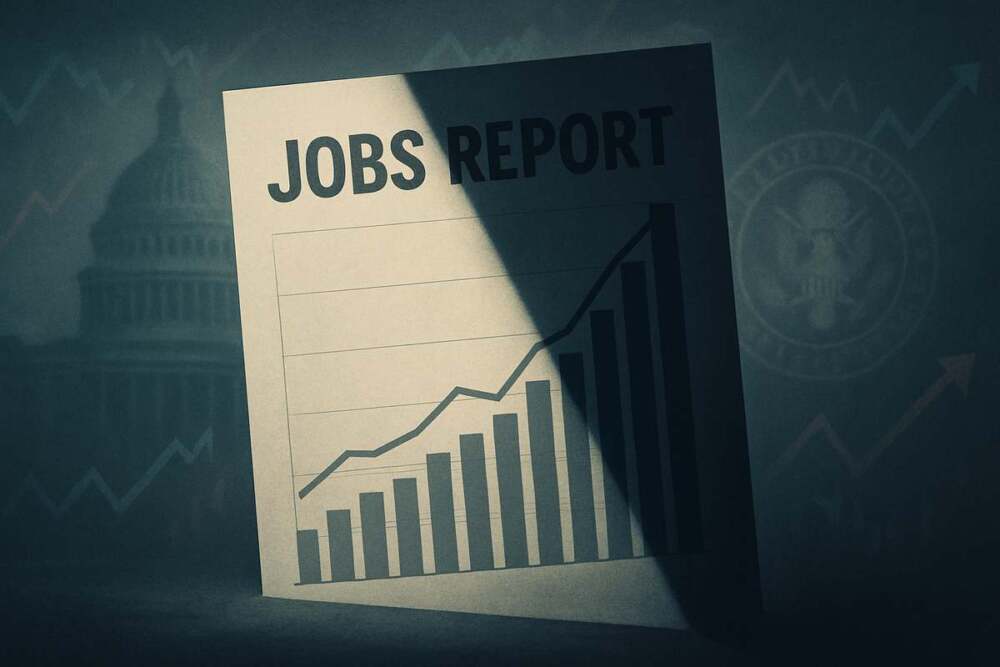
For the first time in decades, the U.S. Bureau of Labor Statistics (BLS) has cancelled its October jobs report, leaving economists, policymakers, and investors without one of the nation’s most critical economic indicators. The unprecedented move comes after a prolonged federal shutdown forced the furlough of essential staff, preventing the collection of the household survey data required to calculate unemployment rates, labor-force participation, and other vital metrics.
Why the October Report Matters
Monthly employment reports serve as the heartbeat of the U.S. economy. They provide insight into:
- Job creation: How many new positions have been added across industries.
- Unemployment rate: The percentage of people actively seeking work but unable to find it.
- Labor-force participation: The share of working-age Americans engaged in the job market.
- Wage trends: Growth in earnings, which informs consumer spending power and inflation expectations.
Without this data, analysts and policymakers face a gap in understanding the labor market’s trajectory. The October report was especially important as it could confirm whether the trends observed in the delayed September report—modest job growth coupled with rising unemployment—were continuing, reversing, or accelerating.
The Shutdown’s Impact on Data Collection
During the shutdown, BLS staff responsible for the household survey, which interviews thousands of Americans monthly to track employment status, were furloughed. While employer payroll data may be collected later, the household survey cannot be retroactively conducted. As a result, the October employment report has been officially cancelled.
This disruption demonstrates the fragility of economic data collection systems in the face of political or operational interruptions. Unlike private surveys, which can adjust and resume, government-collected statistics rely on strict methodology and real-time engagement with participants, leaving little room for retroactive recovery.
Implications for the Federal Reserve
The missing data arrives at a critical juncture for U.S. monetary policy. The Federal Reserve relies heavily on monthly labor reports to determine the appropriate stance on interest rates and overall monetary tightening.
The absence of October’s data increases uncertainty:
- Interest rate decisions: The Fed may adopt a more cautious approach at upcoming meetings, acknowledging gaps in information.
- Inflation expectations: Wage growth and employment data influence the Fed’s assessment of price pressures.
- Market reactions: Investors may respond to incomplete information with increased volatility, affecting stock and bond markets.
Effects on Businesses and Households
Businesses, particularly those considering expansion or hiring, now face a cloudier environment. Payroll planning, investment decisions, and projections rely on labor-market visibility. A missing month of official data introduces uncertainty, potentially delaying decisions or prompting more conservative strategies.
For households, the disruption can also have psychological effects. Many families track job-market health to make decisions on career moves, home buying, or major purchases. Missing data may exacerbate caution, slowing economic activity in subtle but meaningful ways.
Broader Economic Significance
The cancellation of a major jobs report highlights the dependency of markets, policymakers, and society on timely and accurate data. While the U.S. economy is monitored through numerous indicators, the BLS monthly report has an outsized impact because it combines breadth, consistency, and authority. Without it, the narrative about employment health is incomplete.
The shutdown disruption also underscores a critical question: how resilient are government data systems in the face of political or operational crises? Economists and policymakers may need to consider contingency plans for future disruptions to avoid similar gaps.
What Analysts Are Watching
Even in the absence of official data, analysts will look to alternative indicators:
- Private payroll surveys: Companies and industry groups can provide early signals of hiring trends.
- Unemployment claims: Weekly jobless claims offer a partial view of layoffs and job market stress.
- Wage and hiring announcements: Corporate filings, earnings reports, and job postings can indicate momentum.
- Labor-force behavior: Participation, resignations, and turnover trends may be gleaned from private data sources.
However, none of these sources fully substitute for the comprehensive and standardized BLS data.
Looking Ahead
- Integration with November report: The BLS may include some October payroll data in the next report, but household survey metrics will remain missing.
- Policy caution: The Fed and other policymakers are expected to proceed with heightened caution due to the gap in data.
- Market vigilance: Investors will pay closer attention to private indicators, earnings reports, and early November labor signals to guide decisions.
Conclusion: Navigating Uncertainty
The cancellation of the October jobs report represents more than just a missing dataset—it signals the vulnerability of economic monitoring to political disruptions. For policymakers, businesses, and workers, the absence of timely information heightens uncertainty in decision-making.
The labor market remains under close scrutiny, and the coming months will be crucial for determining whether trends observed in prior months hold true. While the economy continues to operate, the missing report serves as a stark reminder: even in the most advanced economies, data infrastructure is only as strong as the systems and people supporting it.
In a period of heightened economic sensitivity, careful monitoring, flexible policy, and creative use of alternative data sources will be essential for navigating the unknown terrain left by the government shutdown.

















Leave a Reply