

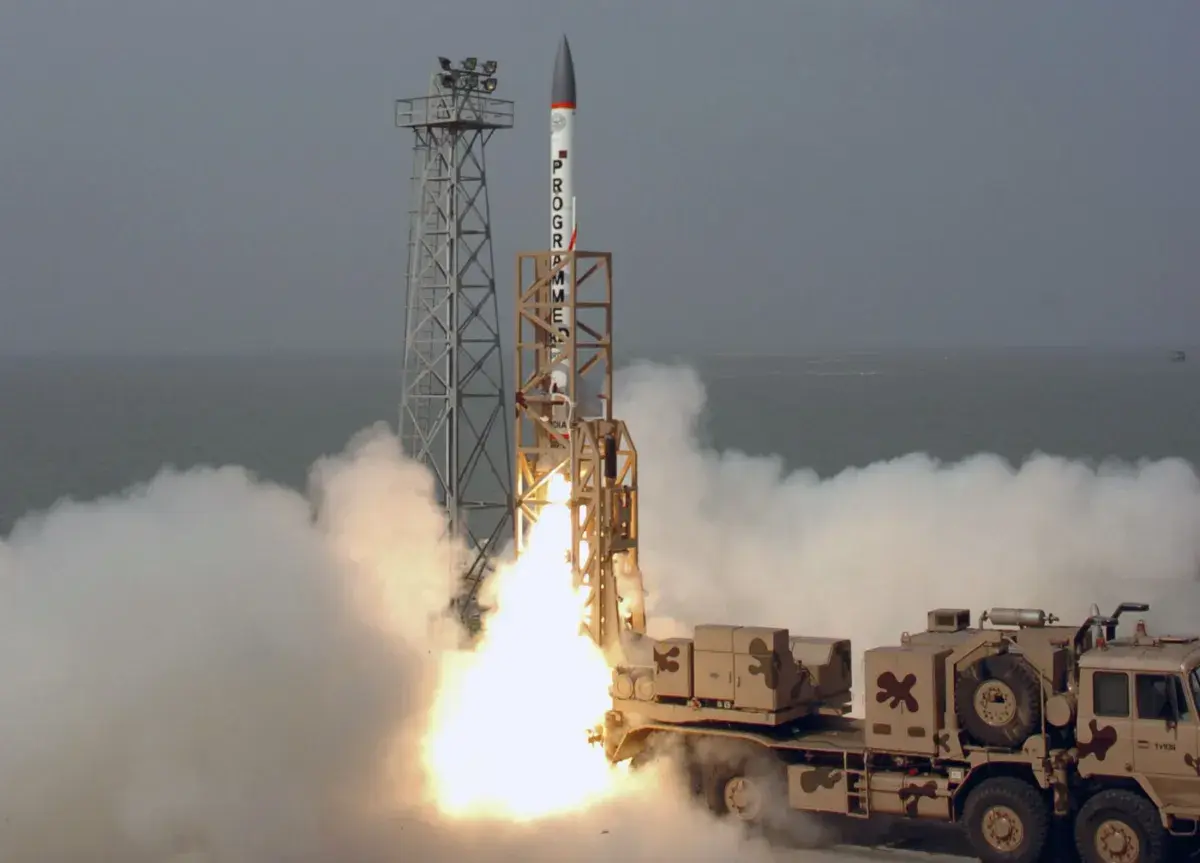
In a landmark move underscoring the deepening strategic partnership between India and the United Kingdom, both nations have finalized a $468 million (approximately £350 million) defense contract that will see the UK supply advanced lightweight multirole missiles to the Indian armed forces. The agreement, announced during UK Prime Minister Keir Starmer’s visit to India, represents one of the most significant bilateral defense deals between the two countries in recent years.
A Major Step in Defence Cooperation
The contract will enable India to receive cutting-edge missile systems manufactured by Thales, a British defense and technology company headquartered in Northern Ireland. These precision-guided weapons are designed for flexibility across land, air, and sea platforms—making them suitable for India’s multi-dimensional military modernization strategy.
According to officials familiar with the agreement, the deal is part of a broader push to elevate the India-UK defence partnership into a new era of technological collaboration and shared strategic interests. It comes amid growing global competition in defense exports, with Western countries seeking to expand their markets in the Indo-Pacific region.
British Defence Secretary John Healey described the deal as “a cornerstone of a new chapter in UK-India defense relations,” emphasizing that it will safeguard or create around 700 jobs at Thales’ production facilities in Belfast and other regions.
Strategic Context: A Shift in the Balance of Partnerships
The missile deal marks a shift in India’s approach to global defense sourcing. For decades, New Delhi relied heavily on Russian technology and hardware. However, recent geopolitical tensions and supply chain vulnerabilities have encouraged India to diversify its defense partnerships—turning increasingly toward Western allies such as the United States, France, and the United Kingdom.
For the UK, the agreement signals a renewed effort to assert its post-Brexit global identity. Since leaving the European Union, Britain has sought to forge stronger bilateral ties across Asia and the Indo-Pacific—regions central to its “Global Britain” strategy.
Prime Minister Starmer’s visit to India included meetings with Prime Minister Narendra Modi, during which both leaders reaffirmed their commitment to advancing trade, technology, and defense cooperation. Alongside the missile deal, the two countries also signed a £250 million agreement to develop next-generation naval propulsion systems, part of a broader technological partnership aimed at sustainable defense innovation.
What the Missile Deal Includes
While specific details about the missile systems remain classified, sources indicate that the contract covers the Lightweight Multirole Missile (LMM)—a versatile, high-precision weapon designed to target fast-moving threats such as drones, armored vehicles, and light naval vessels.
Key capabilities of the missile include:
- High-speed precision strike capability at short to medium ranges.
- Dual-role adaptability, suitable for both land-based and naval applications.
- Compact design, allowing integration on a wide range of platforms including helicopters and patrol boats.
- Reduced collateral damage, an increasingly important factor in modern warfare.
The deal also includes provisions for training, maintenance, and technology transfer, ensuring that Indian defense personnel are equipped with operational and technical expertise.
Economic and Industrial Impact
The contract represents a major boost for the UK defense sector, particularly for Northern Ireland’s high-tech manufacturing industry, which has been under pressure to secure long-term contracts post-Brexit. The deal is expected to contribute millions in export revenue while ensuring job stability across the UK’s defense supply chain.
For India, the agreement fits within its “Make in India” defense initiative, which encourages domestic manufacturing through international collaboration. British officials have confirmed that future phases of the project may include co-production and technology sharing, aligning with India’s long-term goal of achieving defense self-reliance.
A Symbol of Strategic Realignment
The missile deal is not merely a commercial transaction—it symbolizes a strategic realignment in global defense diplomacy. Both nations are increasingly aligning on regional security issues, from maritime stability in the Indo-Pacific to countering emerging threats such as drones and cyber warfare.
The collaboration also reflects mutual interest in maintaining freedom of navigation and strengthening maritime security in key sea lanes, particularly as tensions rise in the South China Sea and the Indian Ocean region.
Additionally, the agreement reinforces India’s growing influence as a major defense market and strategic player. Britain’s willingness to provide advanced weapons technology reflects a recognition of India’s role as a stabilizing force in the Indo-Pacific and a key partner in global security architecture.
Challenges and Future Outlook
Despite the optimism surrounding the deal, several challenges remain:
- Implementation and Delivery:
Large-scale defense contracts often face logistical delays and technical integration issues. Ensuring timely delivery and operational compatibility will be crucial. - Technology Transfer and Localization:
While India seeks deeper collaboration, the scope of technology transfer is likely to be a point of negotiation. The UK’s defense industry tends to retain intellectual property tightly, balancing profit motives with strategic sensitivity. - Regional Reaction:
The deal is expected to attract attention from India’s neighbors, especially Pakistan and China, both of which may view the move as a sign of India’s strengthening Western alignment. - Political Volatility:
Domestic political shifts in either country could influence how enthusiastically future defense cooperation is pursued.
Still, analysts note that the deal reflects a sustained convergence of interests that is unlikely to reverse easily. Both sides share long-term incentives for collaboration—India for modernization and diversification, and the UK for global market expansion and geopolitical relevance.
Broader Strategic Implications
This defense pact could pave the way for:
- Expanded joint exercises between the British and Indian armed forces.
- Collaborative R&D projects in next-generation weapons, cyber defense, and artificial intelligence.
- Potential co-manufacturing of naval and aerospace systems.
The partnership could also evolve into a wider trilateral or multilateral framework, potentially involving other strategic allies such as Japan or Australia under the Indo-Pacific security umbrella.
Diplomatic Momentum and Global Significance
Prime Minister Modi and Prime Minister Starmer both hailed the deal as a milestone in bilateral relations. Modi highlighted the agreement as evidence of “mutual trust and shared strategic goals,” while Starmer emphasized that the partnership “proves the UK’s commitment to being a reliable defense ally and innovation partner for India.”
Diplomatic observers note that this deal could also inject momentum into the long-pending India-UK Free Trade Agreement, which both sides have been negotiating for years. The success of the defense collaboration may provide political goodwill to finalize broader trade and investment frameworks.
Conclusion
The UK-India missile deal represents more than an exchange of military hardware—it marks a defining moment in the evolution of two democracies seeking to navigate a rapidly changing global order. For the UK, it revives its image as a credible defense exporter and international player. For India, it strengthens its pursuit of self-reliant modernization while expanding its network of trusted global partners.
As the first deliveries of the missiles begin in the coming years, the agreement stands as a symbol of how strategic collaboration, economic interests, and shared democratic values can converge to shape the defense architecture of the future.
















Leave a Reply