

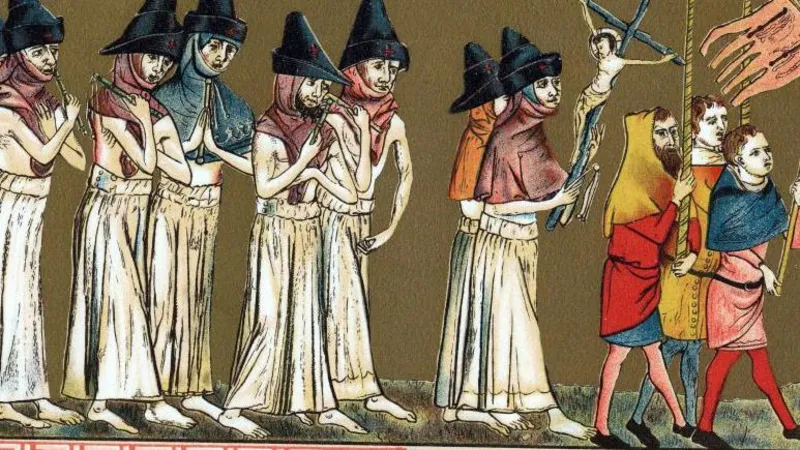
New scientific research is shedding fresh light on one of history’s deadliest pandemics, suggesting that a massive volcanic eruption may have helped set into motion the catastrophic spread of the Black Death across Europe in the mid-14th century. The findings challenge long-standing assumptions about how the plague began and strengthen the connection between natural disasters, climate shocks, and disease outbreaks.
The Black Death, which killed an estimated 50 million people between 1347 and 1351, has traditionally been linked to the bacterium Yersinia pestis spreading from Central Asia through rodent and flea populations. But new evidence points to an additional—and previously underestimated—trigger: a major volcanic eruption that dramatically altered global climate patterns in the years just before the pandemic.
Scientists studying ice cores, tree rings, and historical climate records found signs of a significant eruption that produced widespread atmospheric cooling. The sudden temperature drop may have caused environmental disruptions across Eurasia, particularly in regions where plague-carrying rodent populations thrived. Harsh winters and rapid ecological shifts would have stressed wildlife, forcing rodents to migrate or die, and pushing infected fleas to seek new hosts—including humans.
Researchers believe these climatic disturbances may have reshaped trade routes, displaced communities, and weakened food supplies, creating ideal conditions for the deadly pathogen to spread quickly through emerging urban centers in Europe. In this scenario, the eruption did not cause the plague itself but helped create the perfect storm that allowed it to explode with unprecedented lethality.
The new theory also aligns with historical reports of famine, crop failure, and unusual weather events documented in the decade preceding the Black Death. These conditions likely made European populations more vulnerable, lowering immunity and increasing the disease’s fatal impact once it arrived.
While the precise volcano responsible remains under investigation, its effects appear to have been global, affecting agricultural cycles and ecosystems far beyond its immediate region. If confirmed, the eruption–plague connection would emphasize how intertwined natural phenomena and human history truly are.
For historians and scientists, the study offers a powerful reminder: major pandemics rarely have a single cause. Instead, they emerge from a complex interplay of environmental change, ecological disruption, and human movement. The possibility that a distant volcanic eruption helped unleash one of humanity’s greatest tragedies adds a dramatic new layer to the story of the Black Death—and underscores the importance of understanding how modern climate shocks could influence future disease risks.











Leave a Reply