

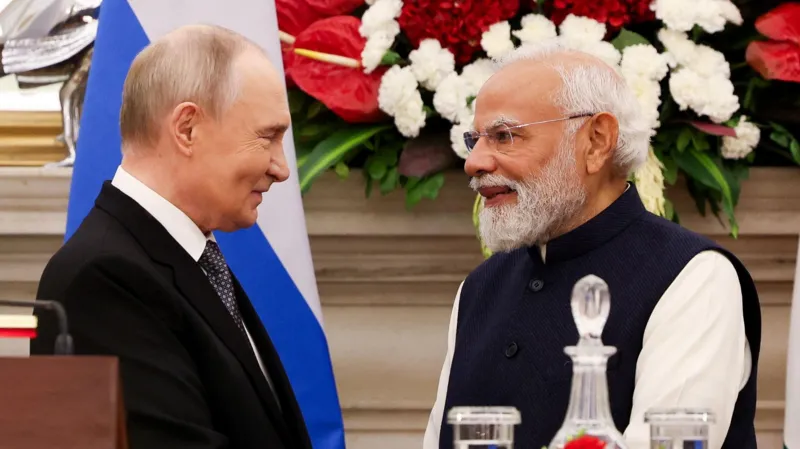
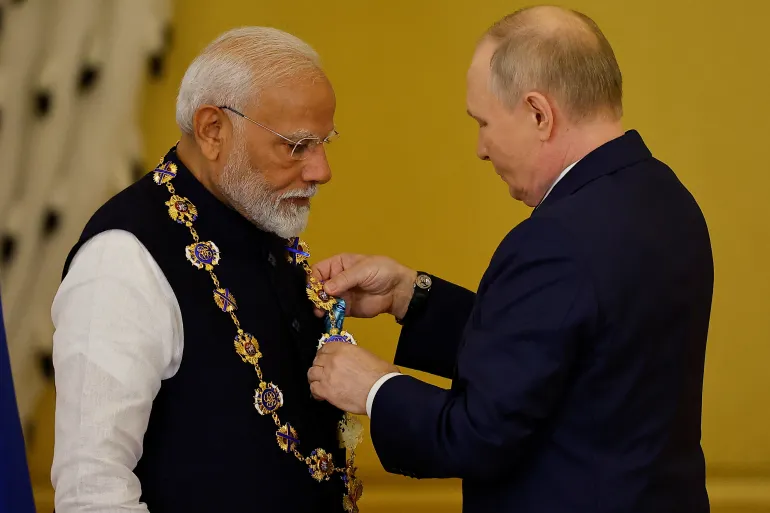
Russian President Vladimir Putin’s visit to New Delhi for talks with Indian Prime Minister Narendra Modi has drawn global attention, coming at a moment when shifting alliances and geopolitical uncertainty are reshaping the world order. While the meeting featured warm public optics, the outcomes reveal deeper strategic calculations from both sides—each seeking leverage, stability, and opportunity amid global tensions.
Strengthening a Long-Standing Partnership
India and Russia have maintained a decades-long relationship built on defense cooperation, energy ties, and diplomatic coordination. Despite global pressure on Moscow and India’s expanding relationships with Western nations, the Delhi meeting reaffirmed that this partnership remains durable.
For both leaders, the encounter served as a reminder that their countries still hold significant influence in each other’s strategic plans.
What Putin Gained
1. Diplomatic Legitimacy Amid Isolation
With Russia facing sanctions and strained relations with Western powers, Putin’s visit to a major global player like India helped counter narratives of international isolation. Public engagements with Modi signaled that Moscow retains meaningful alliances beyond its immediate neighborhood.
2. Reassurance on Defense Cooperation
Russia has long been India’s top defense supplier. The meeting reaffirmed ongoing contracts and discussions about advanced military hardware. For Moscow, securing India’s continued interest is vital to sustaining its defense industry amid pressure from Western competitors.
3. A Stable Energy Partnership
Russia continues to rely heavily on energy exports. India’s appetite for discounted Russian oil and future discussions on gas, nuclear cooperation, and joint energy projects give Moscow an important economic cushion.
What Modi Gained
1. Strategic Autonomy on the Global Stage
Modi used the meeting to reinforce India’s position as an independent global actor—one that engages the West, yet refuses to break ties with old partners. This balancing act strengthens India’s diplomatic flexibility in a polarized world.
2. Security and Defense Commitments
India remains keen on maintaining a diverse and reliable supply of military equipment. The meeting allowed Modi to secure Russian assurances on timely delivery of defense systems, spare parts, and potential co-production ventures that support India’s long-term security goals.
3. Energy Access and Price Stability
India, one of the world’s largest energy consumers, benefits significantly from buying Russian oil at favorable prices. Continued cooperation helps India keep domestic fuel costs in check, an essential factor ahead of major economic and political milestones.
Mutual Benefits
A Unified Message on Multipolarity
Both leaders emphasized the need for a world order not dominated by any single bloc. This shared vision strengthens their diplomatic alignment at global forums.
Expanded Economic Partnerships
Beyond defense and energy, discussions also touched on trade, infrastructure, and technology collaboration. Though details remain under wraps, both sides signaled an interest in expanding long-term economic ties.
Regional Security Dialogue
From Central Asia to the Indo-Pacific, the two nations exchanged views on evolving security challenges. Maintaining open lines of communication helps each country navigate competing interests in an increasingly volatile environment.
A Meeting That Signals Future Intent
The Delhi talks showcased more than just ceremonial diplomacy. For Putin, the visit reinforces Russia’s relevance in global negotiations. For Modi, it demonstrates India’s determination to chart an independent course in world affairs.
With major geopolitical shifts underway, the outcomes of this meeting suggest that the India–Russia relationship will remain a key pillar shaping regional and international dynamics.





Leave a Reply