

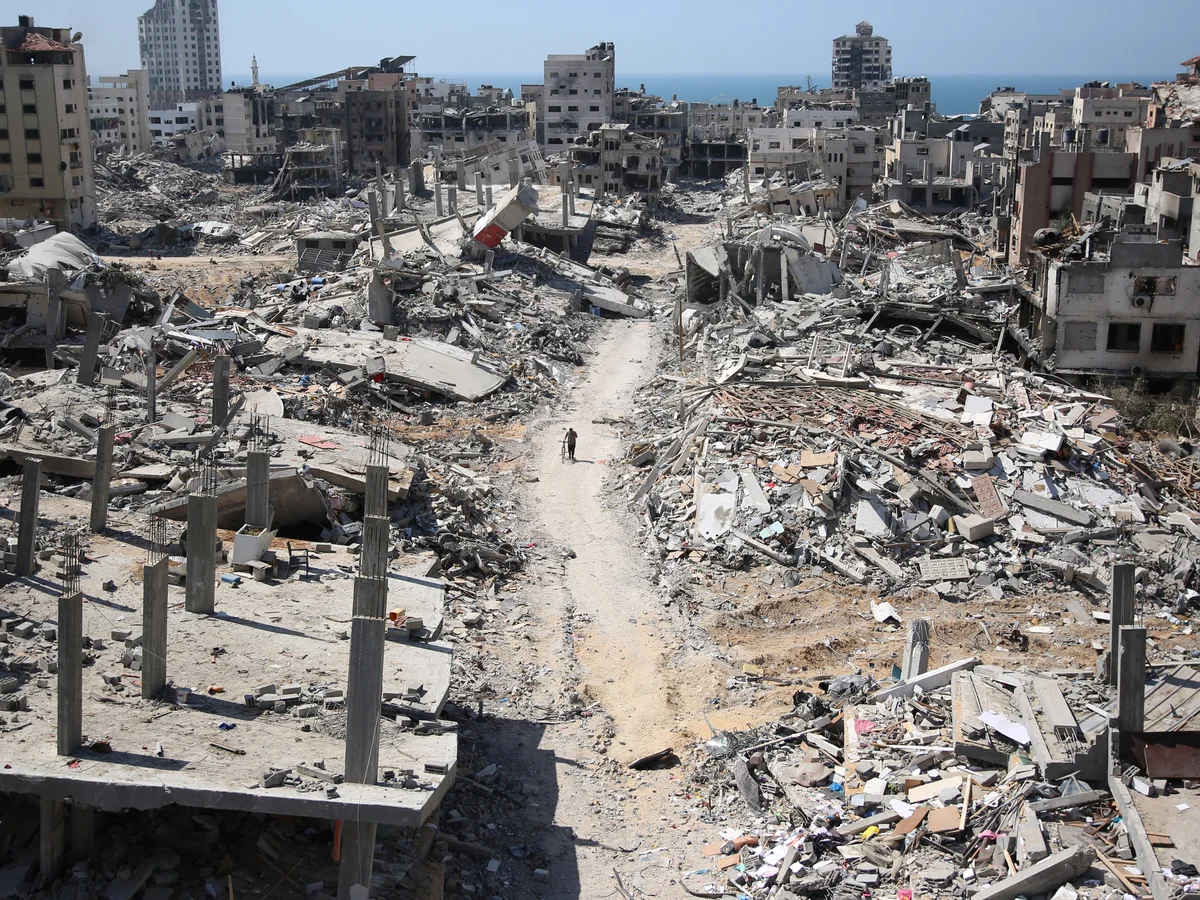
At least 44 Palestinians were killed in fresh Israeli airstrikes across Gaza, deepening the humanitarian crisis as international calls for a ceasefire continue to grow. The strikes, which hit residential areas and shelters for displaced families, have added to the already staggering civilian toll.
Civilian Suffering Intensifies
Local health authorities reported that among the dead were entire families, including nine members of a household in Nuseirat camp. Tents and temporary shelters for displaced people were also struck, leaving survivors to search through rubble for loved ones. Hospitals, already operating far beyond capacity, warned they were running out of supplies and faced mounting danger as Israeli forces closed in on surrounding areas.
Medical staff described scenes of chaos: patients arriving with severe injuries, operations halted due to lack of equipment, and fears that some hospitals may soon be forced to shut down completely.
Netanyahu’s Defiance at the UN
Israeli Prime Minister Benjamin Netanyahu addressed the United Nations, vowing to continue the offensive until Hamas is dismantled and hostages are returned. His uncompromising stance drew sharp criticism and walkouts from several delegates during his speech.
Netanyahu framed the war as a fight for Israel’s survival, insisting that no international pressure would deter Israel from pursuing what he called a “necessary mission.”
Fragile Diplomatic Efforts
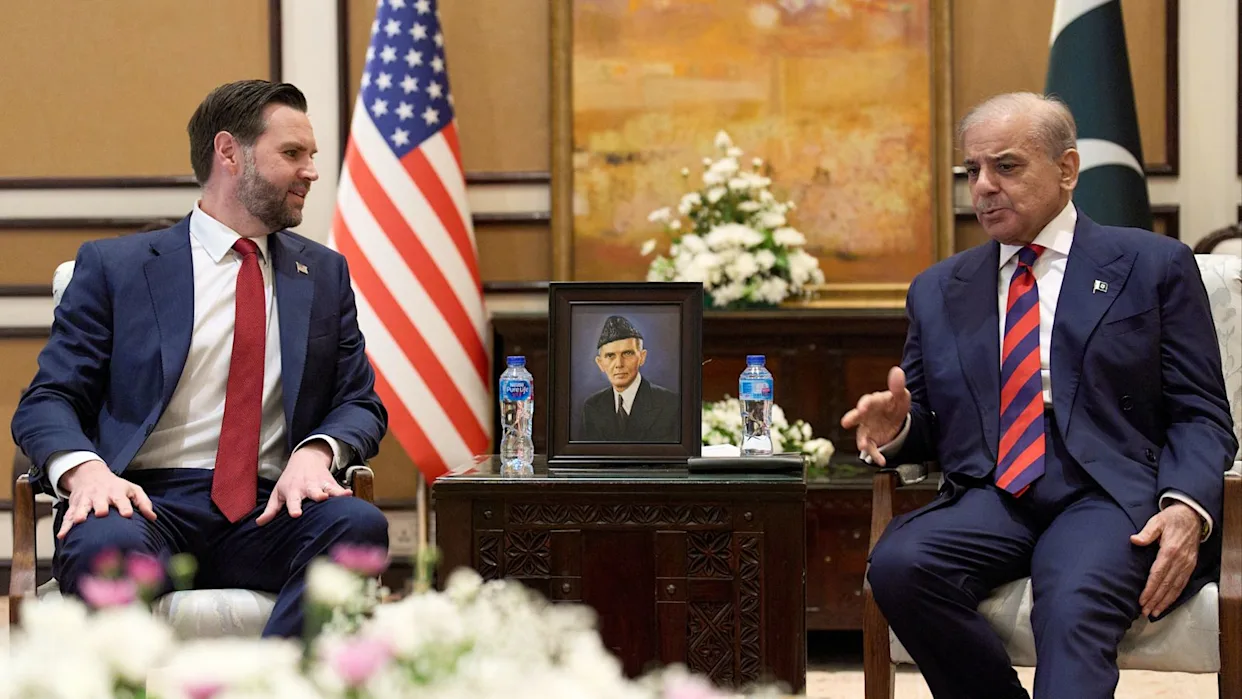
Despite the violence, mediators are still pushing for a ceasefire deal that could see the phased release of hostages and Palestinian prisoners, alongside discussions about Gaza’s future governance. Hamas, however, has denied receiving any formal proposal.
The United States and European allies have pressed Israel to scale back its military operations, while regional powers warn that failure to secure a truce could lead to wider instability across the Middle East.
Humanitarian Collapse Looms
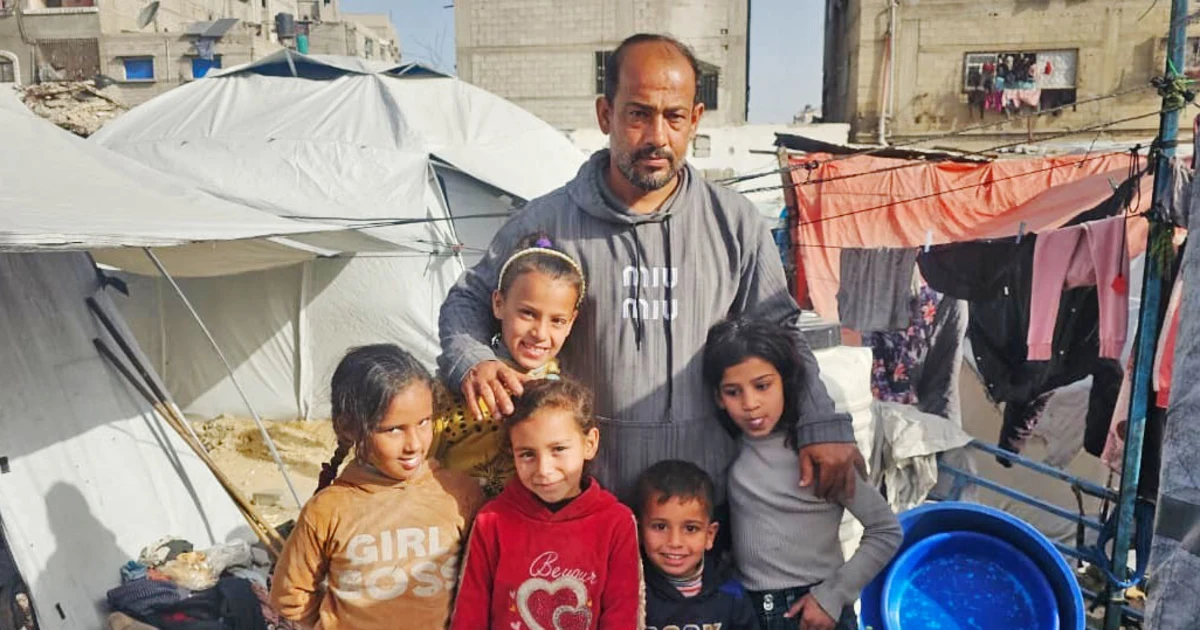
With fuel, food, and medical supplies dwindling, the humanitarian crisis is spiraling. Thousands of displaced families are crammed into makeshift shelters or tents, with little access to clean water or electricity. Aid organizations warn that famine and disease could soon take hold if relief efforts are not allowed in.
Israeli tanks have reportedly advanced near several hospitals, placing patients and medical workers in direct danger. International agencies fear that the collapse of Gaza’s healthcare system could trigger an even greater wave of casualties.
The Road Ahead
The conflict shows no signs of slowing. Key developments to watch include:
- Whether ceasefire talks gain traction or collapse under continued fighting.
- The condition of hospitals and shelters as resources run dry.
- Possible diplomatic fallout for Israel as global criticism mounts.
- The response of regional actors, particularly Arab states pushing for Palestinian recognition.
For the people of Gaza, each day brings mounting tragedy and uncertainty. For Israel, the conflict has become a test of military resolve against international pressure. And for the world, it is a reminder of how quickly war can outpace diplomacy, leaving civilians to bear the heaviest burden.
















Leave a Reply