

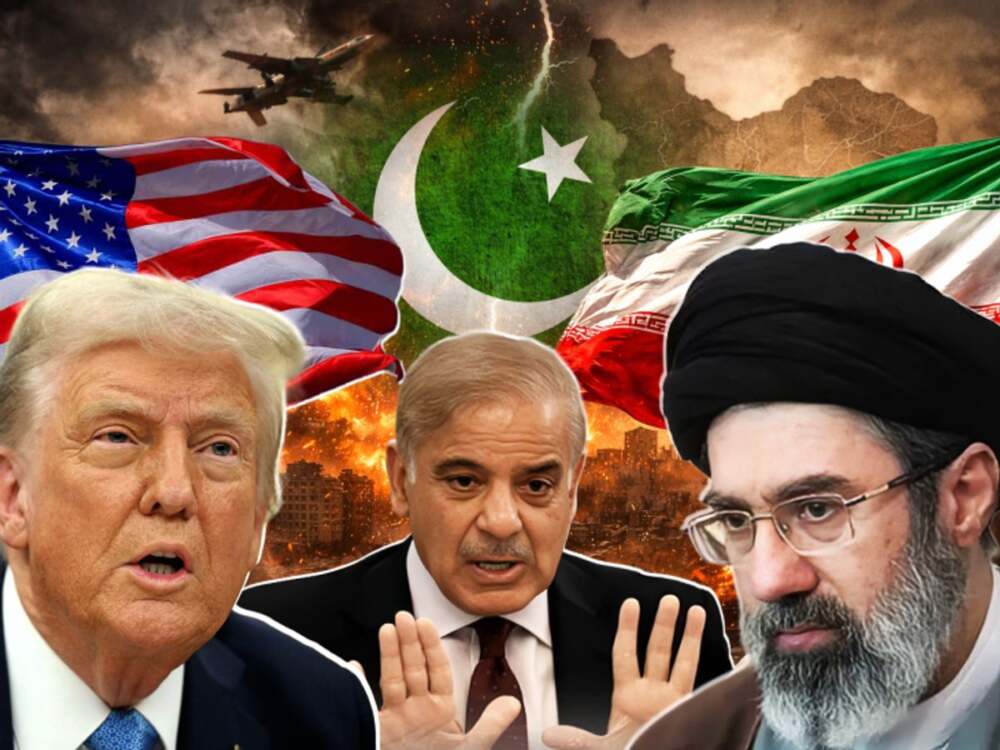
At a time when tensions between United States and Iran were dangerously close to turning into a full-scale war, an unexpected country emerged as a key diplomatic bridge—Pakistan.
The situation had escalated rapidly. Military alerts were rising, global oil routes were under threat, and the world feared a wider regional conflict. But instead of joining the noise, Pakistan chose a quieter path—behind-the-scenes diplomacy.
A Silent but Strategic Move
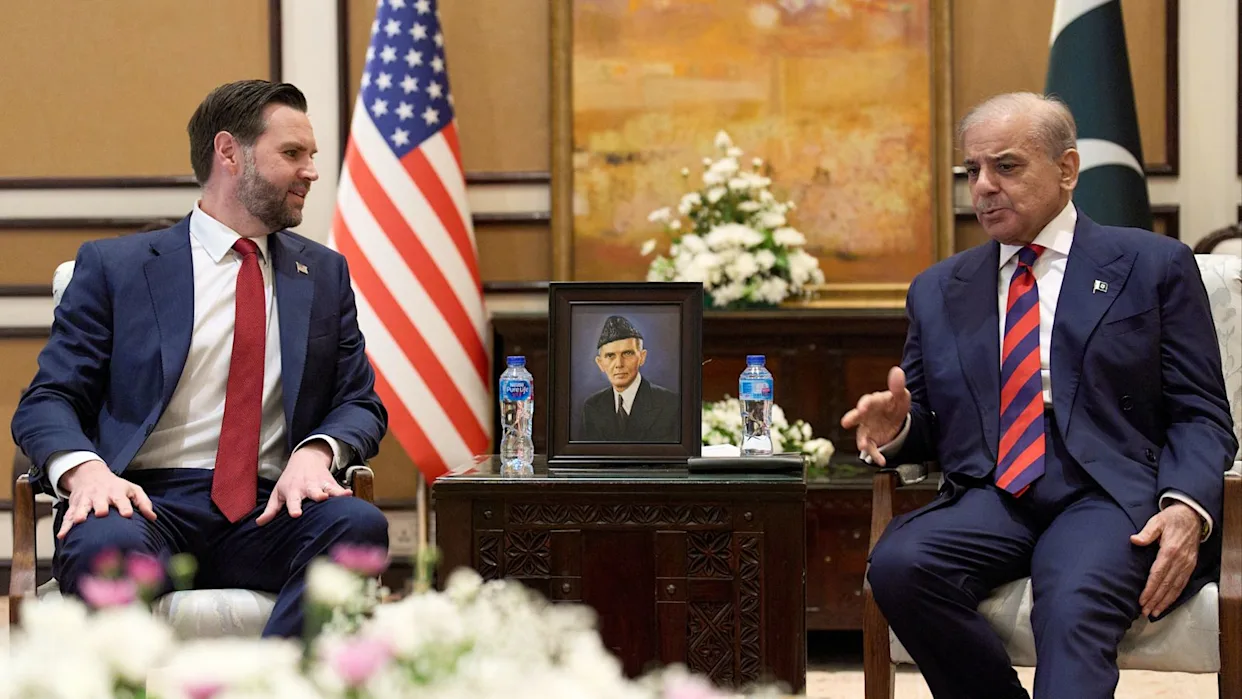
While major powers were publicly exchanging warnings, Pakistan worked through private channels. Its leadership maintained contact with both Washington and Tehran, encouraging restraint and pushing for dialogue.
Rather than taking sides, Pakistan positioned itself as a neutral communicator—a country that both sides could talk to without political pressure. This role proved crucial at a moment when direct communication between the US and Iran was limited.
As tensions peaked, Pakistan helped facilitate discussions that led to a pause in escalation. It wasn’t a dramatic public breakthrough, but it was enough to slow things down and open the door for further talks.
Did Pakistan “Stop the War”?
The claim that Pakistan alone stopped the war is an oversimplification.
Conflicts of this scale are influenced by multiple global players, and decisions ultimately rest with the countries directly involved. However, Pakistan did play an important part in reducing tensions at a critical moment.
Its efforts helped shift the situation from confrontation to conversation—something that many larger powers struggled to achieve quickly.
Why Pakistan’s Role Stands Out
Pakistan’s involvement gained attention for a few key reasons:
- It acted quickly, at a time when delays could have led to serious consequences
- It maintained balanced relations with both sides
- It focused on quiet diplomacy instead of public statements
This approach allowed Pakistan to build trust and create space for dialogue when it was needed most.
Regional Reactions and Perceptions
In South Asia, reactions have been mixed. While many in Pakistan see this as a moment of pride, discussions in India have been more critical.
Some voices there view Pakistan’s growing diplomatic visibility as a challenge to regional influence. However, this response is more about long-standing rivalry and perception than any direct political conflict over the issue.
What About Trump Visiting Pakistan?
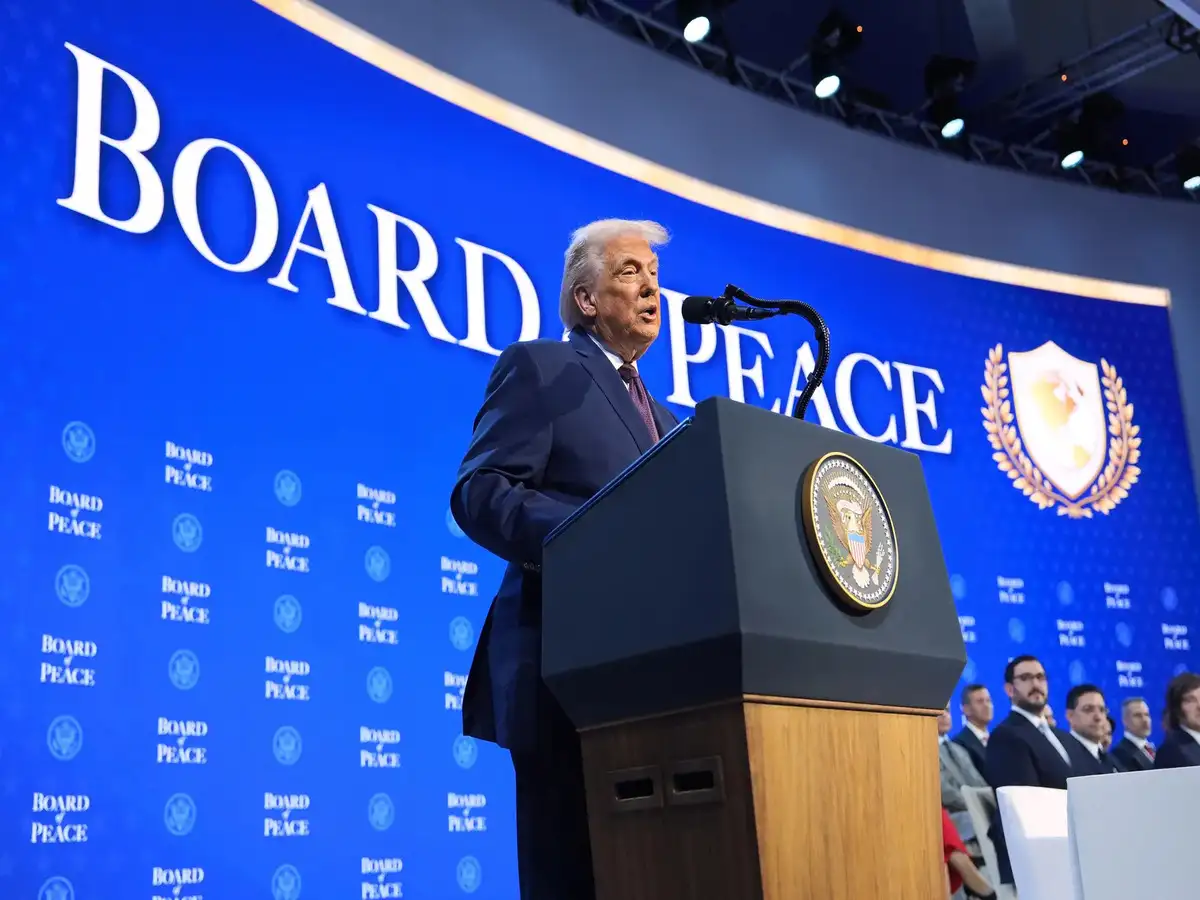
There have been rumors suggesting that Donald Trump may visit Pakistan following these developments.
At this stage, there is no official confirmation of such a visit. While communication between US and Pakistani leadership has reportedly increased, any talk of a visit remains speculative.
A Turning Point for Pakistan’s Global Image
Regardless of how the situation develops next, one thing is clear: Pakistan has shown that it can play a meaningful role in global diplomacy.
Instead of being seen only through a regional lens, it has demonstrated the ability to act as a bridge between major powers—something that could shape its international image in the years ahead.
Conclusion
The Iran–US crisis is not fully resolved, and challenges remain. But in a tense and uncertain moment, Pakistan helped create breathing space when it mattered most.
It didn’t end the conflict on its own—but it helped change its direction.
And sometimes, in global politics, that is just as important.







Leave a Reply