

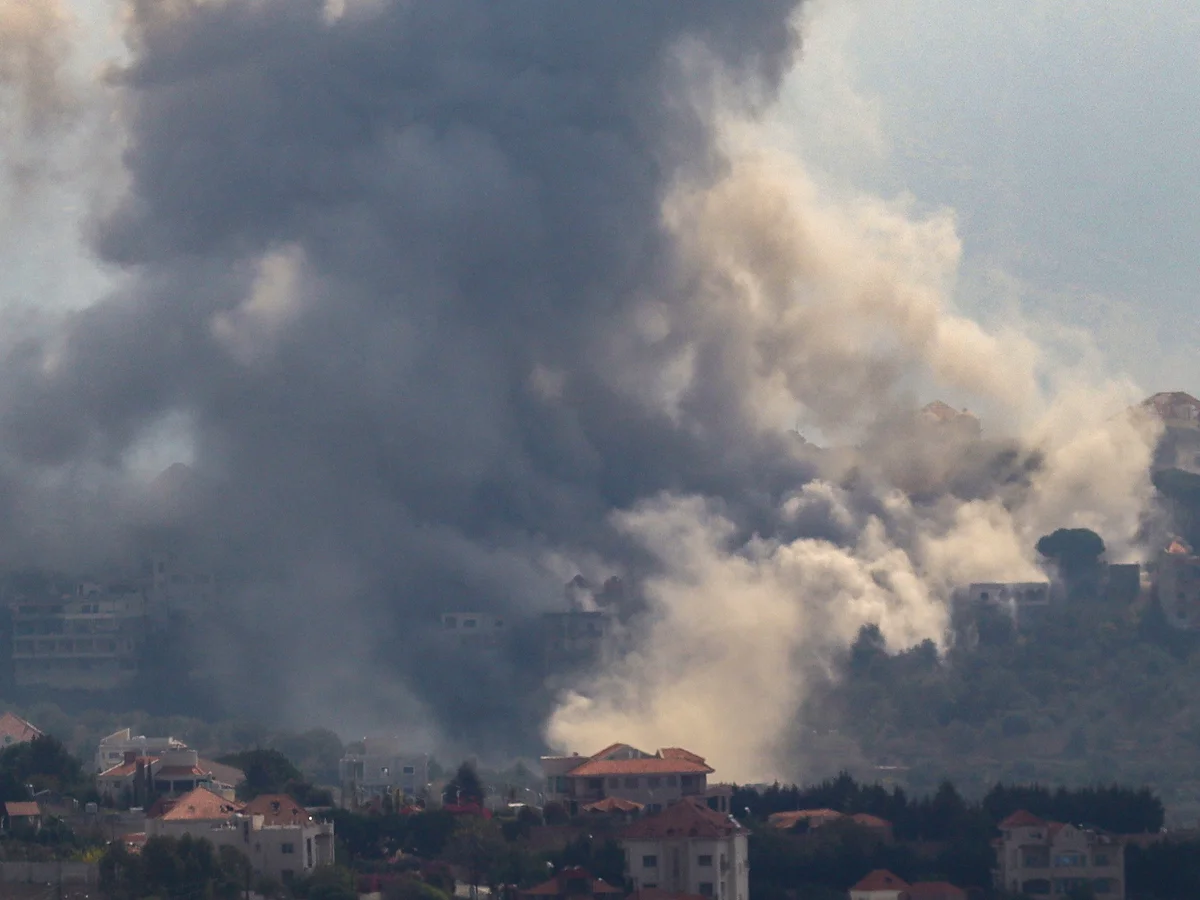
The Israel Defense Forces (IDF) have launched a large-scale wave of airstrikes on Hezbollah positions in southern Lebanon, signaling an escalation in the ongoing border tensions between the two sides. The attacks, which targeted weapons depots, command centers, and other infrastructure, were described by Israeli officials as a “preview” of stronger action to come if Hezbollah continues its military buildup near the border.
Intensified Operations
The strikes focused on areas stretching from Ayta al-Jabal to Tayr Debba and Taybeh, all within a few kilometers of the Israeli-Lebanese frontier. According to reports, multiple explosions were heard across the region, and plumes of smoke rose from several targeted sites. The IDF claimed the operation was aimed at dismantling Hezbollah’s logistical network and curbing what it calls “renewed hostile activity” near the border.
Before the airstrikes, the Israeli military issued evacuation warnings to residents in several southern Lebanese villages, urging them to keep their distance from known Hezbollah installations. This precaution, according to Israeli officials, was meant to reduce civilian harm during the operations.
Official Statements and Warnings
An IDF spokesperson stated that the recent strikes are “only the beginning” and that Israel will continue to take decisive measures to prevent Hezbollah from rebuilding its military infrastructure. The spokesperson emphasized that the army is fully prepared for an extended campaign if the militant group continues to operate near Israeli territory.
Lebanese Response
Lebanese officials have condemned the Israeli strikes, calling them a violation of international law and national sovereignty. The Lebanese government urged the United Nations and international partners to intervene and prevent further escalation. Meanwhile, local sources reported limited casualties, though some injuries and property damage were confirmed in affected villages.
Strategic Implications
This latest round of strikes underscores the fragile state of the Lebanon-Israel border, where months of tension have raised fears of a broader conflict. For Israel, the campaign aims to deter Hezbollah’s growing presence and prevent the deployment of new missile and drone systems that could threaten northern Israeli cities.
For Lebanon, however, the situation poses a significant dilemma. While the government insists on maintaining national sovereignty, Hezbollah continues to operate as a powerful and independent force within the country, complicating any coordinated response.
The Bigger Picture
The escalation comes amid a volatile regional environment, with both Israel and Hezbollah testing the boundaries of deterrence. Analysts warn that continued strikes and retaliatory threats could spiral into a larger confrontation that neither side can easily contain.
Conclusion
Israel’s latest air campaign against Hezbollah marks one of the most forceful operations in recent months and sends a clear message of deterrence. While the IDF claims the strikes were necessary to ensure border security, the move risks reigniting a full-scale conflict. The coming days will reveal whether this operation remains a warning shot—or the start of a wider war.













Leave a Reply