

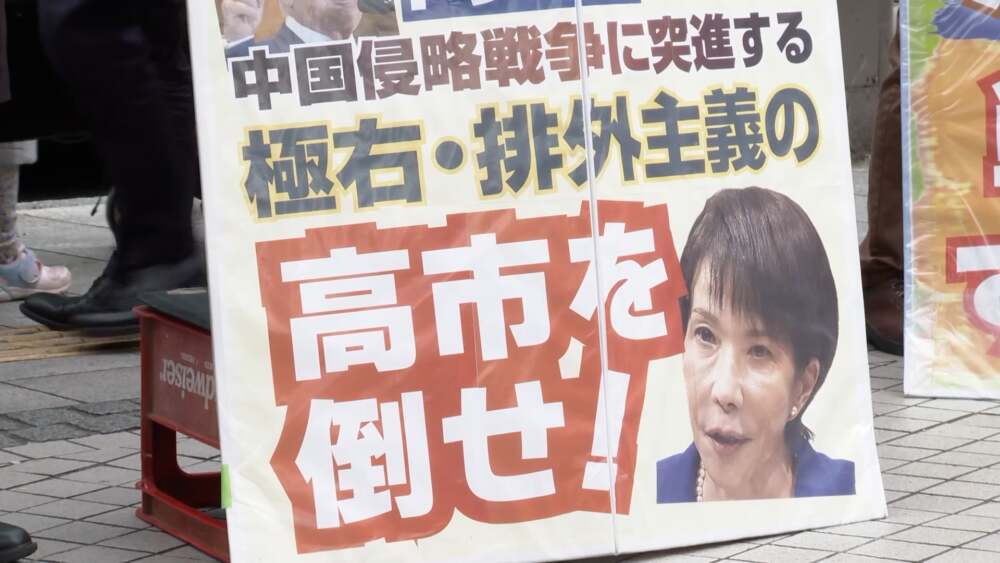
Japanese politician Sanae Takaichi is facing intensifying criticism both domestically and internationally after making comments about Taiwan that critics say could heighten regional tensions and complicate Japan’s diplomatic ties. Her remarks, made during a recent political event, have sparked swift responses from opposition leaders, foreign governments, and analysts who warn that her tone may inflame an already delicate geopolitical landscape.
Remarks That Sparked the Firestorm
Takaichi reportedly framed Taiwan’s security as inseparable from Japan’s own national interests, suggesting that Tokyo must be prepared to respond forcefully to any escalation in the Taiwan Strait. While she has long been known for her hawkish views, her latest comments were seen by many as overly provocative at a time when regional diplomacy remains fragile.
Opposition lawmakers accused her of endangering Japan’s traditionally cautious foreign policy approach. Some within her own political faction have privately expressed concern that such remarks risk pulling Japan deeper into strategic confrontation with its neighbors.
China Responds with Condemnation
Beijing quickly condemned Takaichi’s comments, describing them as “dangerous interference” in what it considers a domestic matter. Chinese officials warned Japan against “sending the wrong signal” to pro-independence forces in Taiwan, emphasizing that external actors should avoid actions that could destabilize the region.
State media outlets amplified the criticism, framing Takaichi’s remarks as evidence of growing militarism within certain segments of Japanese politics.
Taiwan’s Reaction: Appreciation but Caution
In Taiwan, reactions were mixed. While some political figures praised Japan’s support for Taiwan’s security, others expressed caution, noting that heightened rhetoric could escalate cross-strait tensions. Analysts in Taipei emphasized the importance of measured diplomacy and warned that overly aggressive statements may provoke unnecessary responses from Beijing.
Domestic Debate Intensifies
Within Japan, the backlash is not confined to opposition parties. Security experts, former diplomats, and public commentators are debating whether Takaichi’s statements align with Japan’s long-standing commitment to stability in East Asia.
Critics argue that her approach risks undermining Tokyo’s nuanced and carefully balanced Taiwan policy, which supports Taiwan’s democratic values while avoiding actions that could be interpreted as endorsing formal independence.
Supporters, however, say her comments reflect a growing recognition of the security risks facing Japan amid shifting regional power dynamics.
International Observers Express Concern
Across the Asia-Pacific, foreign policy experts have been quick to weigh in. Many warn that political rhetoric coming from influential figures in Tokyo could be misinterpreted as official policy, especially at a time of heightened military activity around the Taiwan Strait.
In Washington, analysts noted that Japan’s domestic political discourse is being closely watched, particularly given its role as a key regional ally and security partner.
A Flashpoint in Japan’s Political Landscape
As the controversy grows, Takaichi has defended her stance, claiming her remarks were intended to emphasize Japan’s responsibility to uphold regional stability. Nevertheless, the intensifying backlash suggests that her comments may have struck a nerve both at home and abroad.
The ongoing debate highlights the increasingly complex environment Japan must navigate as geopolitical competition sharpens in East Asia. With regional tensions simmering, every statement from high-profile leaders carries weight—and the repercussions of Takaichi’s words are likely to echo for weeks to come.











Leave a Reply