

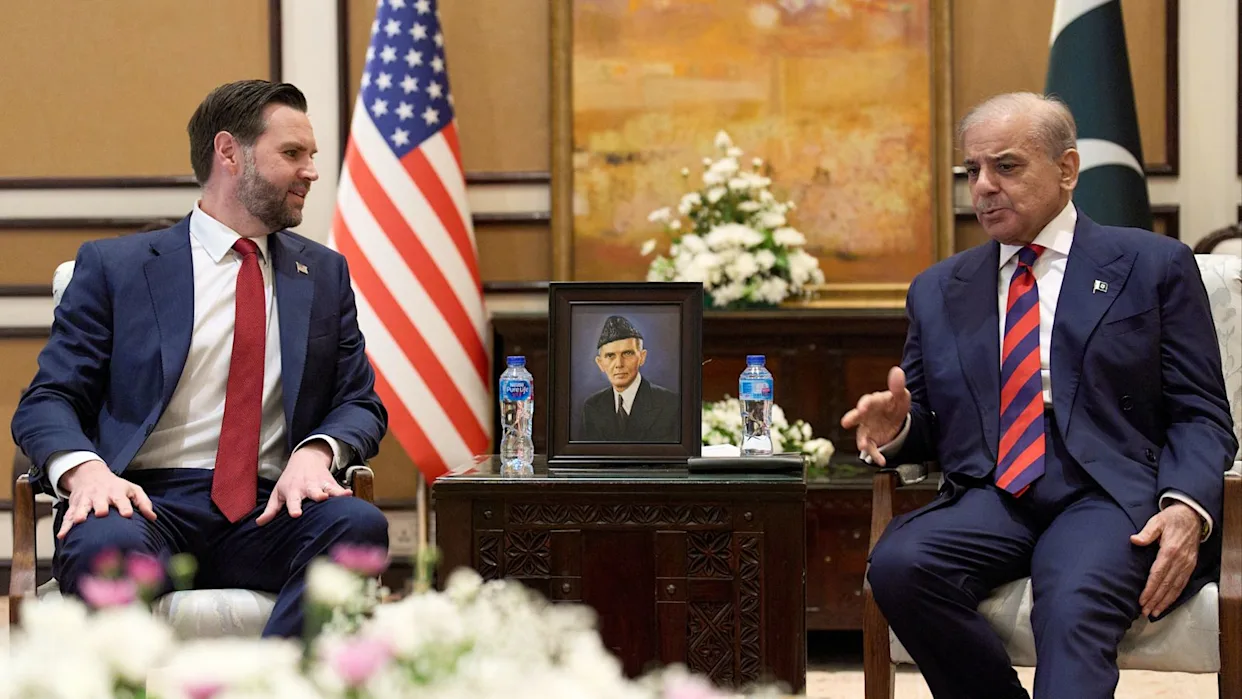
The recent high-level talks between the United States and Iran have revealed just how complex and fragile global diplomacy has become. Behind closed doors, what appeared to be a step toward peace quickly turned into a tense standoff shaped by mistrust, strategic pressure, and competing national interests.
The negotiations, held in Islamabad, were among the most significant direct engagements between the two nations in decades. For over 20 hours, diplomats attempted to bridge deep divides. But despite the intensity of the discussions, the outcome was not a breakthrough — it was a pause.
A Clash of Demands
At the heart of the conflict lies Iran’s nuclear program. The United States pushed for strict limitations, aiming to curb Iran’s nuclear capabilities and prevent future escalation. Iran, however, viewed these demands as excessive and unfair, refusing to compromise on what it considers its sovereign rights.
This fundamental disagreement created a deadlock. Neither side was willing to step back, and the negotiations quickly shifted from hopeful diplomacy to strategic positioning.
The Strait of Hormuz Factor
While talks were ongoing, tensions escalated in one of the world’s most critical waterways — the Strait of Hormuz. This narrow passage carries a significant portion of global oil shipments, making it a key pressure point in the conflict.
Iran’s actions in the region signaled its willingness to use economic leverage, while the United States responded with increased military and economic pressure. The situation turned the negotiations into more than just diplomatic dialogue — it became a high-stakes power struggle with global consequences.
Pakistan’s Quiet Role
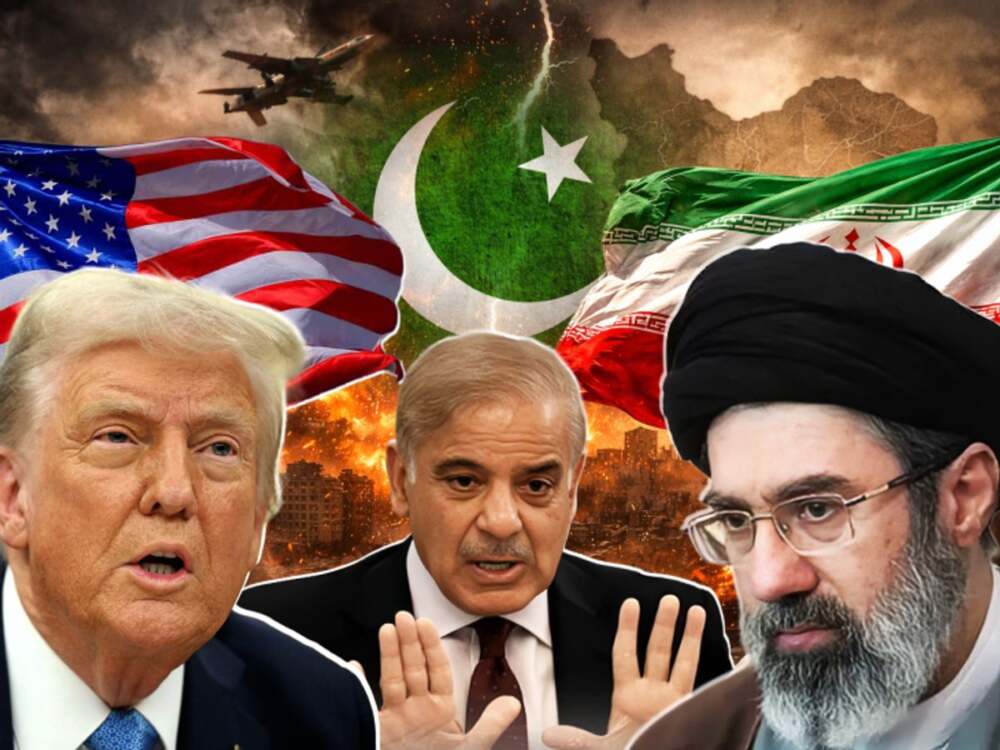
One of the most important yet understated elements of these talks was the role of Pakistan. Acting as a mediator, Islamabad provided a neutral ground for dialogue and worked behind the scenes to keep communication alive.
Although a final agreement was not reached, Pakistan’s involvement helped prevent a complete collapse of diplomacy. By keeping both sides at the table, it ensured that the door to future negotiations remains open.
A Shift Toward Temporary Solutions
With a comprehensive deal out of reach, both sides are now exploring interim arrangements. Instead of aiming for a full resolution, the focus has shifted to temporary agreements that can prevent further escalation.
This approach reflects a broader reality: neither the United States nor Iran is ready for a full compromise, but both understand the risks of an uncontrolled conflict.
A Region on Edge
The failure to reach a deal has left the region in a state of uncertainty. Military tensions remain high, economic pressures are increasing, and global markets are reacting to every development.
The fragile ceasefire that once offered hope is now under threat, and the possibility of renewed confrontation cannot be ignored.
What Comes Next?
Despite the setbacks, diplomacy is far from over. Backchannel communications continue, and both sides appear to recognize that dialogue — however difficult — is still the only viable path forward.
The current situation is not a resolution, but it is not a complete breakdown either. It is a delicate moment where every decision matters, and where even small progress could shape the future of the region.
In the end, these talks have shown one clear reality: peace is not achieved in a single meeting. It is built slowly, through pressure, compromise, and persistence — even when the path forward seems uncertain.













Leave a Reply